I used to believe healing was a destination. I thought if I just did the work, read the books, and got the certifications, I would arrive, fully formed and “healed.” It took me leaving my career as an attorney and professor, moving to Lisbon, and starting over to understand the truth: healing isn’t a place you arrive. A holistic healing journey is the ongoing practice of returning to yourself, integrating all parts of who you are, mind, body, and spirit, so you can feel whole. It’s not about becoming a new person, but remembering the person you’ve always been underneath the expectations and conditioning.
This process is different from conventional approaches that often treat symptoms in isolation. If you have anxiety, you might be given a tool to manage anxious thoughts. If you have back pain, you might get exercises for your back. A holistic view acknowledges that your anxiety, your back pain, your exhaustion, and your feeling of being disconnected are all interwoven. This approach addresses the whole person rather than just the symptoms of a disease.
It’s a gentler, more profound way of looking at your well-being. It’s not a race to a finish line. It’s a spiral, a dance, a series of doorways that lead you deeper into the wisdom of your own body. At Asha's Place, we facilitate this through a rhythm of regular movement and community gatherings, recognizing that this work is held not just individually, but together. ✨
So, what is a holistic healing journey in practice? It’s less of a straight line and more of a spiral. You might find yourself circling back to old patterns, not because you’ve failed, but because you’re ready to see them from a new perspective and heal them on a deeper level.
Let’s take a concrete example. A woman I worked with, a successful executive, came to me completely burned out. On the surface, her problem was work-related stress. A non-holistic approach might suggest better time management or mindfulness apps. But in our work, we looked deeper.
- The Body: We started with somatic bodywork to help her release the tension she’d been holding for years. She began to notice how her shoulders would clench every time she opened her email.
- The Mind: This physical awareness opened a doorway to her mindset. She realized she’d internalized a belief that her worth was tied to her productivity. This belief wasn't just a thought; it was a physical state.
Her healing wasn’t about “fixing” her stress. It was about seeing how her physical tension, her core beliefs, and her spiritual disconnection were all part of the same story. This integrated perspective is central to holistic care. Research from institutions like the Academy of Integrative Health & Medicine emphasizes this connection, showing how factors like social support and spiritual well-being are crucial for physical health outcomes. This is especially true for regular movement, who often carry the compounded weight of systemic pressures, making a whole-person approach not a luxury, but a necessity.
The point isn’t to add more to your already overcrowded life; it's about creating space. It’s about regulating your nervous system so your body feels safe enough to change.
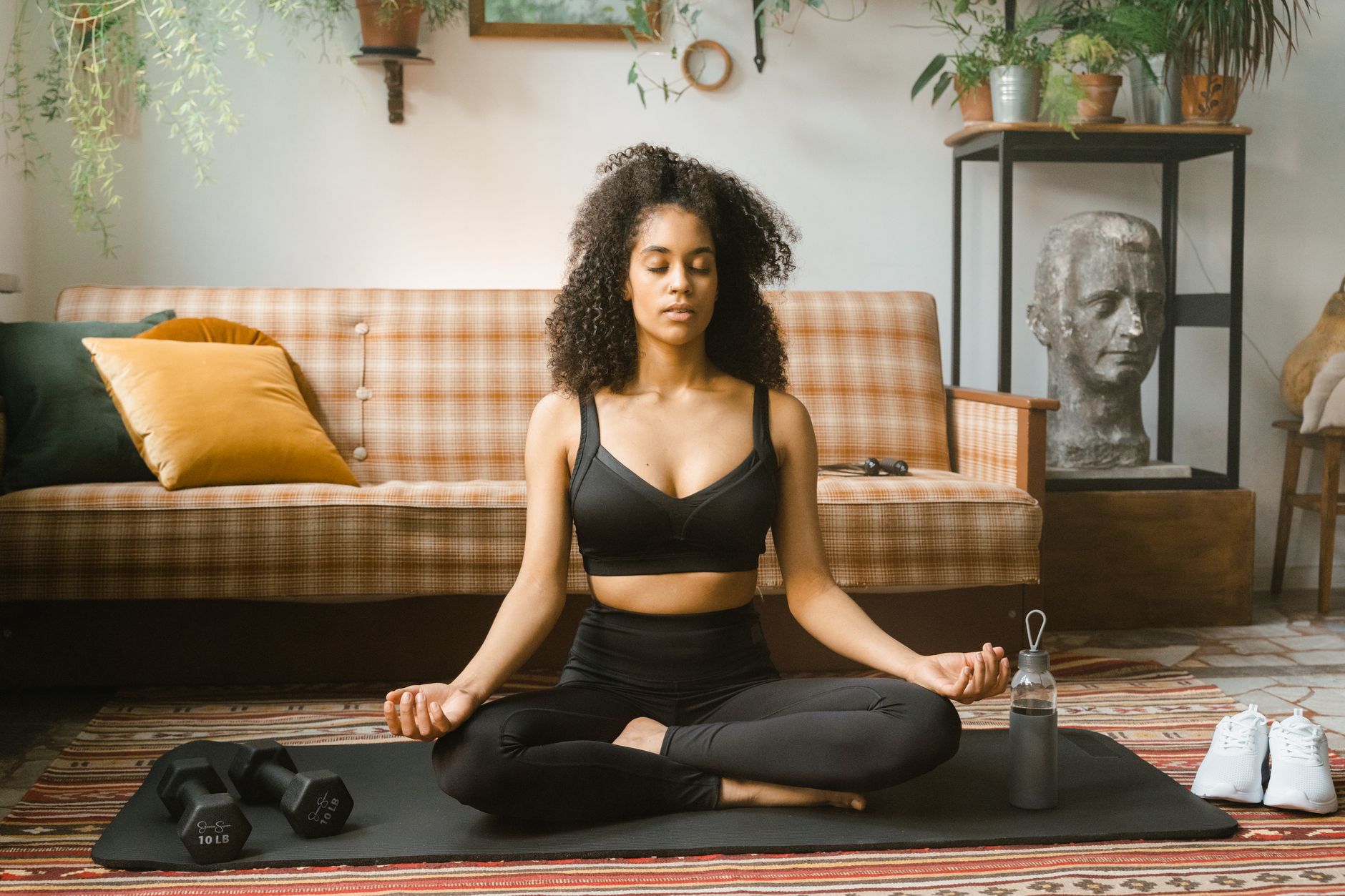
What a holistic healing journey is not
It’s just as important to understand what this path is not. There are many concepts that get confused with a genuine holistic process.
It is not a quick fix. The wellness industry often sells instant transformation. A 7-day detox, a weekend workshop, a single breathwork session. While these can be powerful catalysts, they are not the entire process. A holistic journey is a long-term commitment to showing up for yourself, especially when it’s uncomfortable. It’s the slow, unhurried work of rebuilding trust with your own body and intuition. It is not about chasing perfection. This isn’t about becoming the “perfectly” healthy, calm, or enlightened person. It’s about integration. It’s about acknowledging your shadows, your anger, and your grief as much as your light and your joy. Some days, healing looks like a green juice and yoga. Other days, it looks like staying in bed. Both are valid parts of the experience. It is not a replacement for medical care. Holistic practices are a powerful complement to conventional medicine, not a substitute for it. The National Center for Complementary and Integrative Health is a great resource for understanding how these worlds can work together. If you have a serious health condition, a holistic approach supports the medical treatment by addressing the emotional, mental, and spiritual aspects of your well-being, creating better conditions for your body to heal.When does this matter?
So, who actually needs to think about this? Everyone can benefit from a more integrated approach to their well-being, but it becomes essential when you realize you’ve been doing everything “right” and still feel empty.
This often shows up for high-achieving women who have built successful lives based on external validation. The degrees, the job titles, the accolades, they have them all. Yet, there’s a persistent feeling of disconnection, exhaustion, or a sense that something is missing. That feeling is a signal from your soul that the life you’ve built no longer aligns with who you are becoming.
It’s for the person who has tried everything, from therapy to mindset coaching, and still feels stuck. The problem usually isn’t the tool; it’s that the tools were applied to a single part of you instead of the whole. You can’t think your way out of a problem that lives in your body. You can’t meditate your way out of a system that isn’t designed for your rest.
Your body already knows what’s right for you. A holistic healing journey just helps you learn how to listen to it again.
This is where the gentle, supportive structure of regular regular movement and community becomes a doorway back to yourself. A holistic approach that includes a strong patient-practitioner relationship and addresses lifestyle and stress is fundamental to managing chronic conditions and improving overall well-being. It’s not about finding a guru; it’s about finding a guide who can help you become your own.