Wellness Retreats for Women: What They Are (and Are Not)
Most "wellness" is just another thing to be good at. Another checklist. Another way to perform. A true wellness retreat for women isn't about adding more to your plate; it’s about creating space to put things down. It’s a dedicated time away from daily roles and responsibilities to reconnect with your body, intuition, and sense of self in a supportive, non-judgmental environment. It offers structured and unstructured opportunities for rest, healing practices, and community, allowing you to return to your life, not as a "new you," but as more of who you already are.
What is a Wellness Retreat for Women?
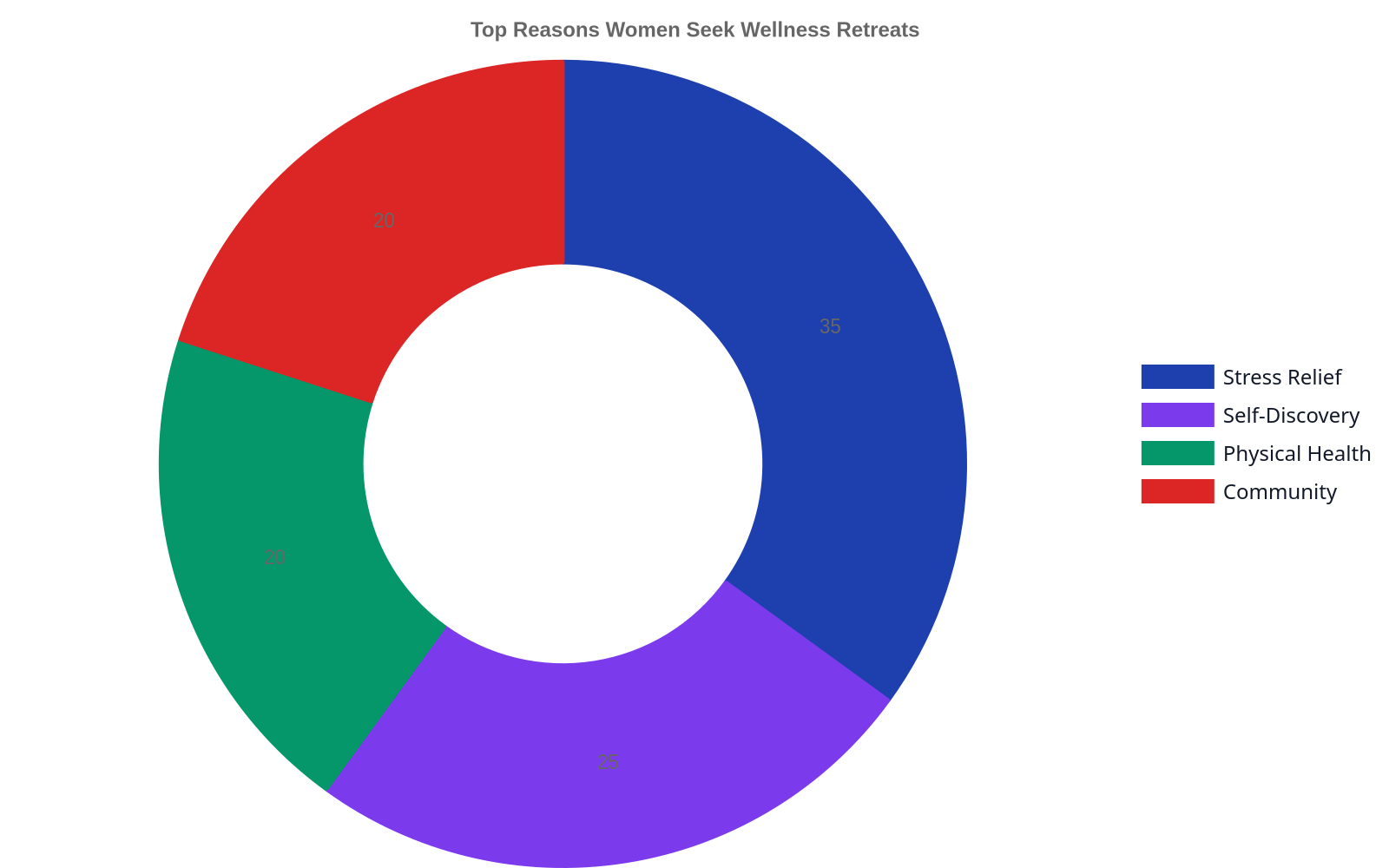
A wellness retreat for women is a space created with the specific intention of allowing women to step away from the relentless demands of their lives. It’s not a vacation where you sightsee until you’re exhausted, and it’s not a conference where you network. It’s a pause. A real one. For many high-achieving women, especially Black women and women of the diaspora, life is a series of rooms where you have to be "on." A wellness retreat is the room where you can finally be off.
These retreats are designed to quiet the noise so you can hear yourself again. This happens through a blend of practices like yoga, meditation, breathwork, and somatic therapies. According to a 2021the wellness economy is valued at over $4.4 trillion, and a significant portion of that is driven by people seeking authentic connection and stress reduction. These retreats are a direct answer to that need, moving beyond surface-level pampering to facilitate deeper reconnection.
At Asha's Place, we design private healing retreats in Lisbon specifically for women who have done everything "right" yet still feel a deep sense of disconnection. For women joining from the US or Canada, it’s an invitation to shed the heavy weight of expectation and come home to themselves.
What a Wellness Retreat Is Not
It’s crucial to understand what you are not signing up for. A wellness retreat is not a quick fix for burnout, a substitute for professional mental health care, or a competition in green-juice-drinking.
- It is not a detox boot camp. While the food is often nourishing, the goal isn't deprivation or punishment. It’s about listening to your body, not forcing it into submission. The idea that you need to suffer to be well is a myth. Healing should feel like a relief, not another chore.
- It is not an escape from your life. This might sound contradictory, but the purpose isn't to run away forever. It’s to gather your strength, regulate your nervous system, and gain clarity so you can return to your life with a clearer sense of what needs to change. It’s a strategic, soulful pause.
Common Activities and Offerings at Women's Wellness Retreats
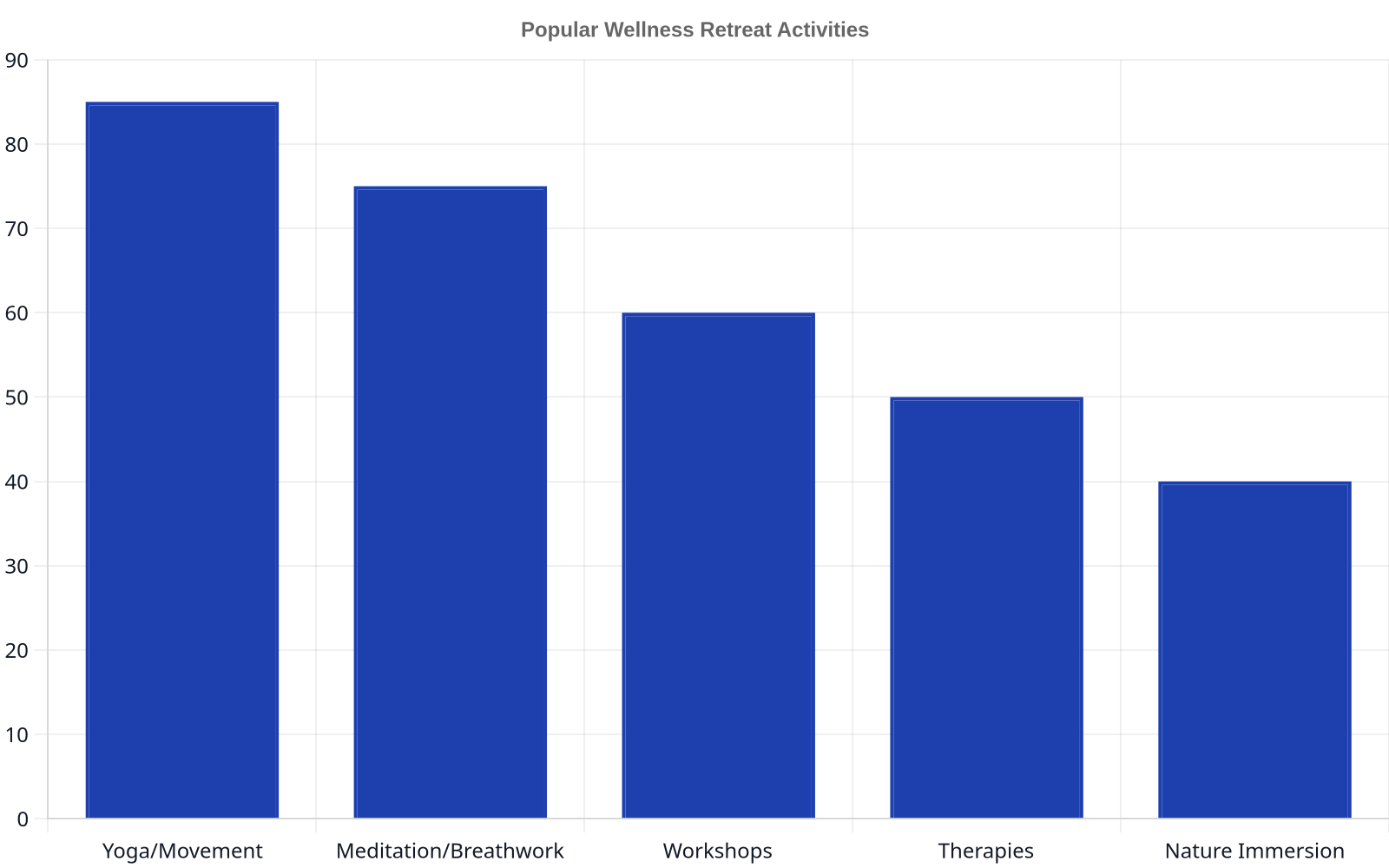
While every retreat has its unique flavor, most are built around a core set of practices designed to calm the nervous system and foster reconnection. You can often expect some combination of the following:
- Somatic and Body-Based Practices: This includes gentle yoga, somatic bodywork, and dance. The focus is less on perfecting a pose and more on feeling what’s happening in your body. It’s a doorway to the wisdom of the body.
- Mindfulness and Breathwork: Guided meditations and conscious breathing exercises are fundamental. Research from institutions confirms that specific breathing techniques can effectively down-regulate the nervous system’s fight-or-flight response.
- Energy Work: Modalities like Reiki and sound healing are common. These practices work with the body’s subtle energy systems to promote balance and release energetic blockages.
- Community and Connection: Shared meals, talking circles, and unscheduled time for quiet conversation are often just as important as the formal sessions. Being in a space where you don’t have to explain yourself is profoundly healing.
The point isn’t to find a "better" version of yourself. It’s to remember and return to the person you were before you buried yourself under everyone else’s expectations.
At Asha's Place, for example, we weave these elements into all our offerings, from single classes to immersive Solo Retreats designed to provide a soft place to land and just be.
FAQ
What should I pack for a wellness retreat?
Comfort is key. Pack comfortable clothing you can move in, like yoga pants and soft tops. Bring layers, as temperatures can fluctuate. Include a journal and pen, any personal meditation items, a reusable water bottle, and an open mind. Check with the retreat provider for a specific packing list, as they may recommend items for local weather or specific activities.
How much do wellness retreats for women typically cost?
Costs vary widely based on location, duration, and inclusions. A weekend retreat might cost a few hundred dollars, while a week-long international retreat with luxury accommodations and one-on-one sessions could be several thousand. According to a market analysis by Grand View Research, the global wellness tourism market is expanding, and pricing reflects the diversity of offerings from rustic to ultra-luxury.
Can I attend a wellness retreat if I'm a beginner at yoga or meditation?
Absolutely. Most wellness retreats are designed to be accessible to all levels, especially beginners. The focus is on personal experience, not performance. Guides will offer modifications, and the environment is one of non-judgment. It’s a perfect place to begin a practice without the intimidation of a typical studio class.
Is it okay to go on a wellness retreat by myself?
Yes, it’s more than okay; it’s encouraged. Many women attend retreats solo. It provides a unique opportunity to focus entirely on your own needs without the social obligations of traveling with a companion. Retreats often foster a strong sense of community, so you will likely connect with others, but the journey is your own.