Wellness Retreats Are Not a Therapy Intensive
Most mindset work is bull$h*t.
I say that as someone who has spent years in programs that promised to help me find myself, only to leave me feeling more disconnected than ever. A wellness retreat for self discovery isn’t about adding another framework to your life; it’s about creating the space to hear your own voice again. It is a dedicated time away from your daily roles and responsibilities to reconnect with your body’s wisdom and intuition through guided healing practices, gentle movement, and structured rest, allowing you to remember who you are beneath the expectations.
It’s for the women who have done everything “right” but still feel like something is missing. You’ve read the books, maybe you’ve even done therapy or yoga, but you’re still exhausted and making decisions based on what everyone else wants. A self-discovery retreat creates a container to pause that performance. It's not about becoming a new person, but returning to the one who has been buried.
This isn't a vacation. While you might travel to a beautiful location, the focus is internal. It's a structured, supportive environment designed to help you process, feel, and listen. It’s an opportunity for you to come home to yourself, held in a space that doesn’t demand anything from you.
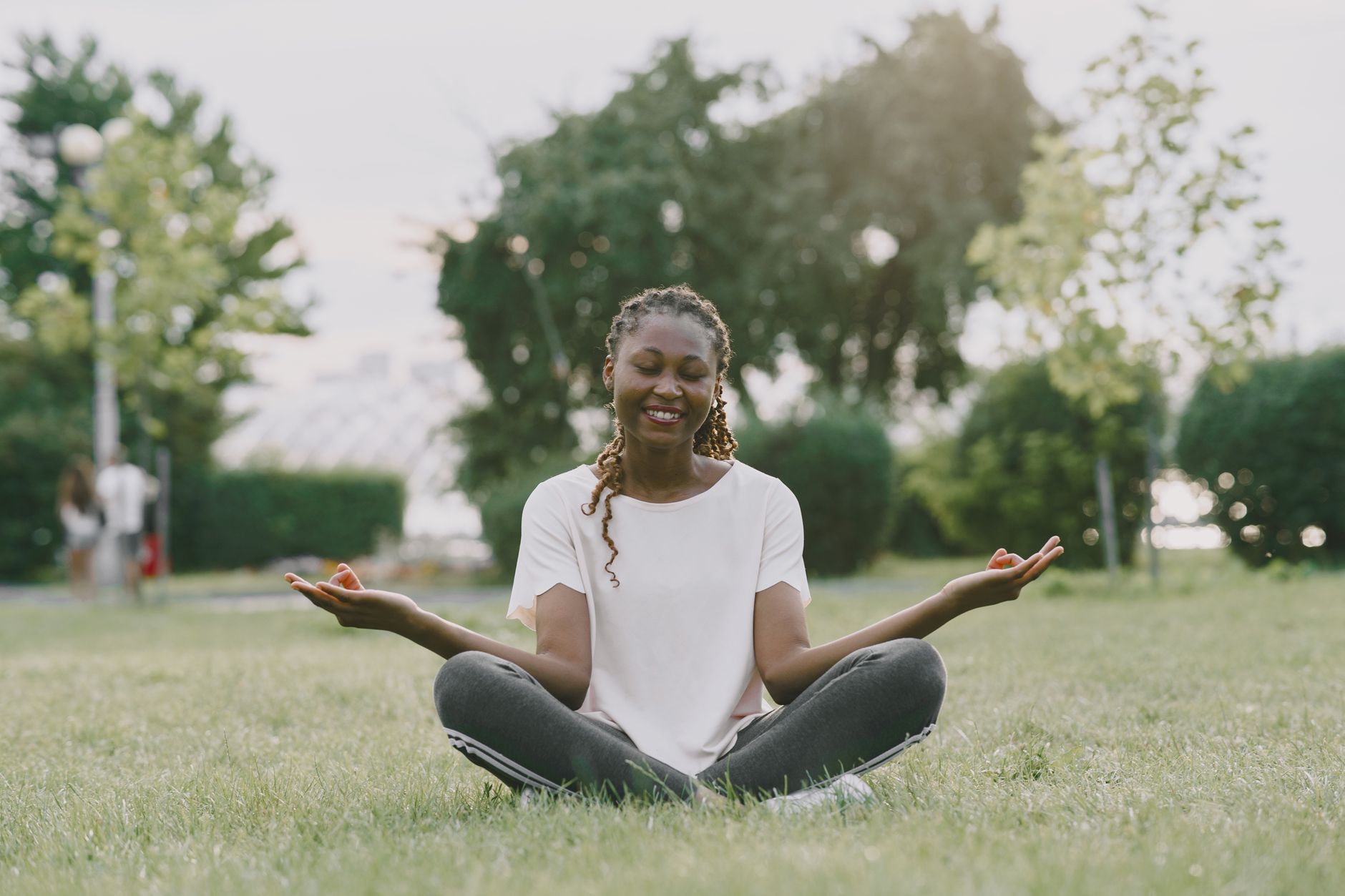
What happens on a self-discovery retreat?
Imagine stepping away from your life for a few days. No emails, no deadlines, no one asking you for anything. Instead of your alarm clock, you might wake up to a guided meditation or a gentle yoga session designed to connect you with your body, not punish it. Your days are filled with activities that aren't about achieving, but about being.
This could include breathwork sessions that help release stored tension, sound healing that calms the nervous system, or somatic bodywork that addresses how stress and trauma live in the body. Practices that engage the body are essential for processing stress that talk therapy alone can't reach. There might be workshops on art therapy or journaling, providing a different language to express what’s inside. In a space like Asha's Place Lisbon, we curate experiences specifically for women of the African diaspora, recognizing the unique need for spaces where you don't have to explain your exhaustion.
A retreat isn't about giving you answers. It's about creating the quiet and the safety for you to hear your own.
The schedule is intentional. There's time for group connection and shared meals, but also ample time for solitude and reflection. You might take a walk in nature or simply rest. The entire experience is an invitation to slow down and listen to the wisdom of your body.
What a self-discovery retreat is not
It's easy to confuse these experiences with other types of getaways. Let's clear up what this isn't.
- It is not a therapy intensive. While the work can be deeply therapeutic and led by trained facilitators, it's not a substitute for clinical therapy. A retreat provides tools for self-healing and connection, creating a space for what a clinical psychologist might call the process of self-acceptance to begin. It's a complementary practice, not a replacement.
- It is not just a yoga vacation. While yoga is often a component, the focus is broader. A yoga retreat might prioritize advancing your physical practice, whereas a self-discovery retreat uses yoga as one of many tools to facilitate an internal reconnection. The goal isn't a perfect headstand; it's a feeling of being more grounded in your own skin.
- It is not a luxury spa trip. Pampering can be part of the experience, but it’s not the core purpose. The goal isn't just relaxation, but reflection. You're there to do meaningful, sometimes challenging, inner work. The beautiful surroundings and nourishing food are there to support that work, not to distract from it.
How to choose the right retreat
Finding the right wellness retreat for self discovery depends entirely on who you are and what you need. A high-end resort like Aerial, BVI offers a very different container than a deeply spiritual program like Sedona Soul Adventures.
First, consider the container and the community. Who is the retreat for? As a Black woman, I know the profound difference it makes to be in a room where I don't have to code-switch or explain my lived experience. That's why our Solo Retreats in Lisbon are curated specifically for women of the diaspora. Look for facilitators who you feel a connection with and who have experience holding space for the kind of work you want to do.
Next, look at the practices offered. Does the program resonate with you? If the idea of silent meditation feels like torture, maybe a retreat focused on dance and expressive arts is a better fit. As the American Psychological Association notes, there are many paths to mindfulness and presence. Choose one that feels like an invitation, not a punishment.
You don't need to be fixed. You just need to be held. The right retreat provides the container for you to hold yourself.
Finally, consider the practicals: location, duration, and cost. Do you need to be in nature, like the mountains of Spain at Soul Purpose Retreat, or does a vibrant city feel more nourishing? Can you commit to a full week, or is a long weekend more realistic? Cost is a real factor, so be honest about your budget. Remember that this is an investment in your well-being, one that can pay dividends long after you’ve returned home.
The goal is to find a space where you feel safe enough to be vulnerable and supported enough to explore what comes up.
FAQ
What if I've never done anything like this before?
That’s perfectly fine. Most retreats are designed for beginners and experienced participants alike. The purpose is to meet you where you are. A good facilitator will provide guidance and support for all the activities, ensuring you feel comfortable and safe. You're not expected to be an expert in yoga, meditation, or anything else.
Is it weird to go alone?
Not at all. In fact, most people attend self-discovery retreats on their own. Going solo is one of the best ways to focus entirely on your own experience without being influenced by a friend's or partner's needs. It's a powerful act of self-commitment, and you will be in a community of others doing the same.
What should I pack for a self-discovery retreat?
Beyond the obvious clothing and toiletries, pack comfortable clothes you can move and relax in (think yoga pants, soft sweaters). Bring a journal and pen for reflection. It's also wise to check with the retreat provider; they often send a specific packing list based on the location and planned activities.
How do I keep the feeling going when I get home?
Integration is the most important part. A good retreat will offer guidance on how to bring the practices and insights back into your daily life. The goal is to build small, sustainable habits. This could be a five-minute daily meditation, a weekly journaling practice, or simply a commitment to listen to your body more closely. According to a study on post-retreat integration, having a plan is key to maintaining the benefits.