Gentle Rituals for Daily Wellness: Your Guide to Reconnection
Most wellness advice feels like another item on an already overflowing to-do list. Drink the celery juice, run the five miles, meditate for an hour, journal until your hand cramps. I know this because I lived it. As a former attorney and tenured professor, I did everything "right" to achieve success, but I felt completely disconnected from myself. The more I pushed, the more exhausted I became. This is why gentle rituals for daily wellness are so crucial; they aren’t about adding more, but about creating space to return to yourself. They are small, quiet acts of reconnection that calm your nervous system and rebuild self-trust, one breath at a time.
These rituals are the antidote to hustle culture. They are practices like a three-minute morning breathwork session, a mindful cup of tea, or a simple, slow stretch before bed. They don’t require a huge time commitment or fancy equipment. Instead, their power lies in their consistency and their intention. They create pockets of pause in your day, allowing your body to move out of a constant state of fight-or-flight and into a place of rest and repair. At Asha's Place Lisbon, we build our community around these very principles, offering a soft place to land and remember the wisdom of your body.
What are daily wellness rituals?
Daily wellness rituals are small, intentional actions you take consistently to care for your mind, body, and spirit. Unlike a habit, which can be done on autopilot (like brushing your teeth), a ritual is performed with presence and awareness. It’s the difference between quickly gulping down a coffee while checking emails and mindfully savoring a warm drink, paying attention to its aroma and warmth. These rituals serve as anchors in your day, helping you feel grounded, centered, and more connected to yourself, even when life feels chaotic. They are doorways back to your own inner wisdom.
Why are gentle rituals so important?
Gentle rituals are important because they directly soothe your nervous system. Many high-achieving people, especially women of color, live in a state of chronic activation, or "fight-or-flight." This constant stress elevates cortisol levels, which can lead to burnout, anxiety, and physical illness. Gentle rituals, like deep breathing or light movement, signal to your body that it is safe. Long-term activation of the stress-response system can disrupt almost all your body's processes. Gentle practices help downshift the nervous system, inviting a state of "rest and digest," where healing and restoration can happen.
How is a ritual different from a routine?
A routine is a sequence of actions you follow regularly, often for efficiency. Think of your morning routine to get out the door on time. A ritual, on the other hand, is infused with intention and presence. The focus is on the feeling and the experience, not just the outcome. For example, a routine might be to quickly shower and dress. Turning that into a ritual could mean paying attention to the sensation of the water, mindfully lathering soap with a scent you love, and taking a moment to feel grateful for your body. The actions might be the same, but the inner awareness transforms it from a task into an act of nourishment.
What are some simple morning rituals to start my day?
Instead of grabbing your phone the moment you wake up, try one of these gentle rituals:
- Mindful First Sip: Before you do anything else, drink a glass of room-temperature water. Feel the sensation of the water moving through your body, hydrating you after a night of rest. This simple act can be a powerful moment of presence.
- Five Deep Breaths: Sit on the edge of your bed, close your eyes, and take five slow, deep breaths. Inhale for a count of four, hold for four, and exhale for a count of six. This can calm your mind before the day’s demands rush in.
- Gentle Stretch: You don’t need a full yoga sequence. Simply reach your arms overhead, twist gently from side to side, and fold forward to touch your toes. Listen to what your body needs to awaken.
How can I practice mindful breathing?
Mindful breathing is one of the most accessible and powerful gentle rituals. A simple technique is "box breathing." Find a comfortable seat and close your eyes. Inhale slowly through your nose for a count of four. Hold your breath for a count of four. Exhale slowly through your mouth for a count of four. Hold at the bottom of the exhale for a count of four. Repeat this cycle for 3-5 minutes. This technique is used by everyone from Navy SEALs to yoga practitioners to manage stress. A 2017 study on breathwork confirmed that even a single session can reduce psychological stress.
Healing isn't about adding more to your already overcrowded life; it's about creating space. It's about regulating your nervous system so your body feels safe enough to change.
What kind of journaling is best for wellness?
There is no single "best" way to journal; the most effective method is the one you’ll actually do. If you’re just starting, try a "brain dump." For five minutes, write down everything that’s on your mind without censoring or judging it. This clears mental clutter. Another powerful practice is a gratitude list. Each day, write down three specific things you are grateful for, no matter how small. Research from psychologists like Dr. Robert A. Emmons at UC Davis has shown that practicing gratitude consistently is strongly and consistently associated with greater happiness and well-being.
How do I create a midday reset?
A midday reset is a crucial ritual to break up the stress of the workday. Step away from your screen, even for just five minutes. Find a quiet corner or step outside. You could listen to a favorite song, do a few neck rolls, or practice a short walking meditation where you focus only on the sensation of your feet on the ground. The key is to consciously disengage from work and reconnect with your body and your senses. This isn’t a break to be more productive later; it’s a moment of rest for its own sake.
What are good evening wind-down rituals?
An evening ritual signals to your body that it’s time to prepare for sleep. This is especially important if you struggle with insomnia or a racing mind at night. Try a "digital detox" by putting all screens away at least an hour before bed; the blue light can interfere with melatonin production. Instead, sip a cup of non-caffeinated herbal tea like chamomile or lavender. You could also try a gentle self-massage on your hands or feet with lotion or oil. These small acts of care can help you release the day and invite restful sleep.
I have no time. How can I start?
If you feel you have no time, start ridiculously small. This is where "habit stacking" comes in. The concept, popularized by James Clear in his book Atomic Habits, involves linking a new desired ritual to an existing habit. For example: "After I brush my teeth (existing habit), I will take three deep breaths (new ritual)." Or, "While my coffee is brewing (existing habit), I will do one gentle neck stretch (new ritual)." The ritual itself might take less than 60 seconds. The goal isn’t to achieve a perfect, hour-long wellness routine; it’s to prove to yourself that you can create a moment of intentional pause, even on your busiest days.
How do I know which rituals are right for me?
The right rituals for you depend on your personality and your needs. An introvert might recharge with a quiet journaling session, while an extrovert might find a gentle walk in a park more grounding. Pay attention to how you feel. A ritual should feel nourishing, not like another chore. If a practice feels forced or draining, let it go and try something else. The goal is to come home to yourself, so listen to what your body is asking for. Your body holds the wisdom; the ritual is just the doorway to hearing it.
What if I keep falling off track?
It’s completely normal to fall off track. The key is to approach it with self-compassion, not judgment. You are not broken or failing. Life happens. Instead of giving up entirely, just begin again. Maybe your 15-minute ritual needs to be a 2-minute ritual this week. That’s okay. The point of these practices isn’t perfection; it’s presence. Each time you choose to begin again, you are strengthening the muscle of self-trust and reminding yourself that you are worthy of care, regardless of your productivity or consistency.
Your ancestors didn't sacrifice for you to be exhausted. They sacrificed so that you would be free. The remedy isn't more discipline; it's learning to trust yourself again.
How do gentle rituals compare to intense wellness practices?
Intense practices like high-intensity interval training (HIIT) or a strict dietary cleanse have their place, but they are activating for the nervous system. They are a form of "good" stress (eustress) but stress nonetheless. Gentle rituals are the opposite; they are designed to be de-activating and down-regulating. For many of us, especially those dealing with chronic stress or burnout, our systems are already overloaded. Adding intense practices can sometimes do more harm than good. Gentle rituals create the foundation of safety in the body first, making space for more active practices if and when you feel ready.
Can rituals help with emotional well-being?
Absolutely. Rituals provide a safe container to feel and process emotions without becoming overwhelmed. For example, if you’re feeling grief, a ritual might be lighting a candle and sitting with a photo of a loved one for five minutes. If you're feeling angry, a ritual could be scribbling on a piece of paper and then tearing it up. These practices give your feelings a time and a place, honoring them without letting them consume your entire day. They teach you to be with your emotions as a compassionate witness.
What are the most popular gentle wellness rituals?
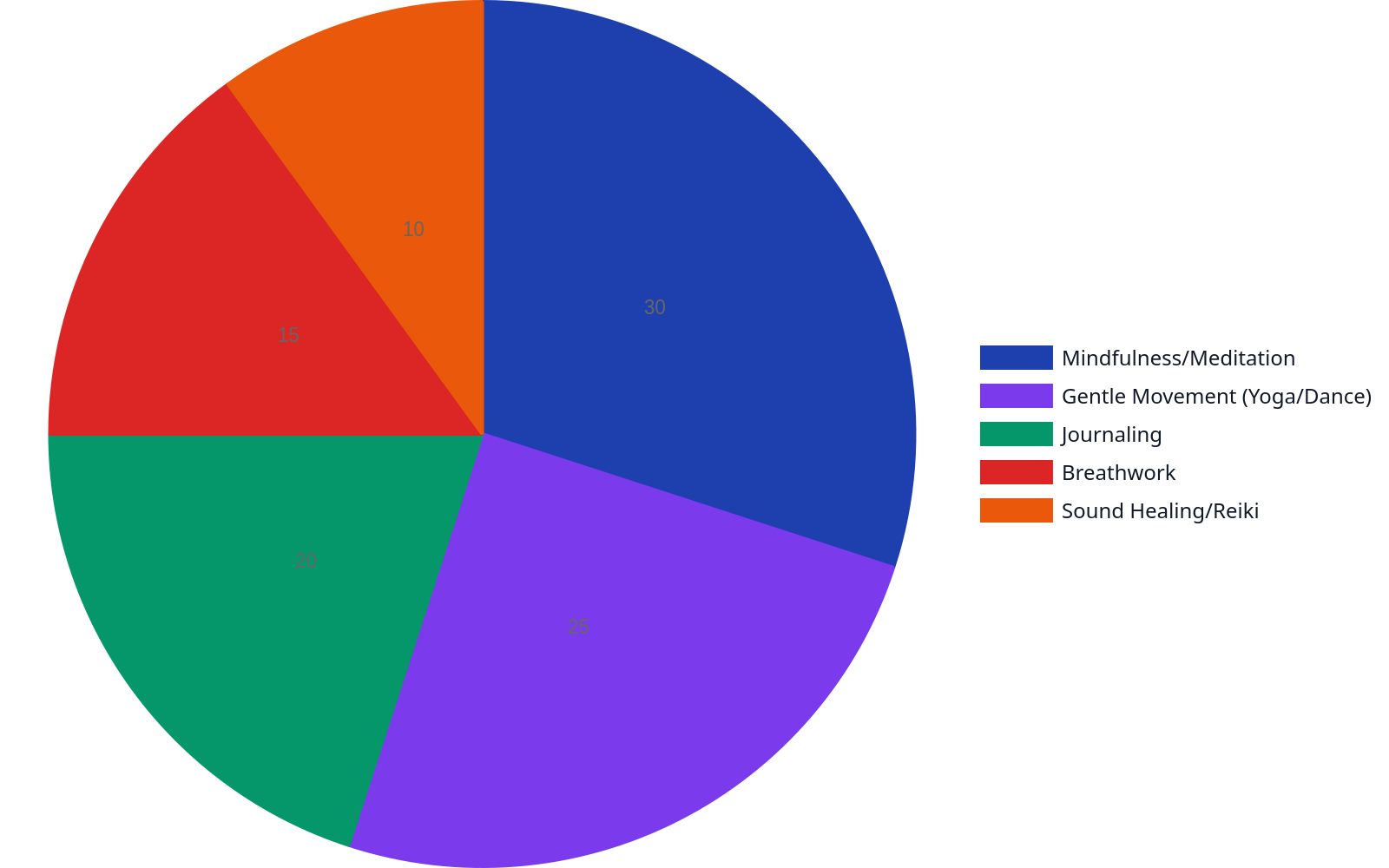
While personal preference is key, some gentle wellness rituals are widely practiced due to their accessibility and effectiveness. Practices like mindfulness meditation, journaling, and gentle yoga or stretching are cornerstones for many. Drinking herbal tea, taking a warm bath, and practicing mindful breathing techniques are also extremely common. In our community in Lisbon, Portugal, we find that many people gravitate towards practices that combine gentle movement with mindfulness, as it helps release physical and mental tension simultaneously.
How do gentle rituals impact stress and well-being over time?
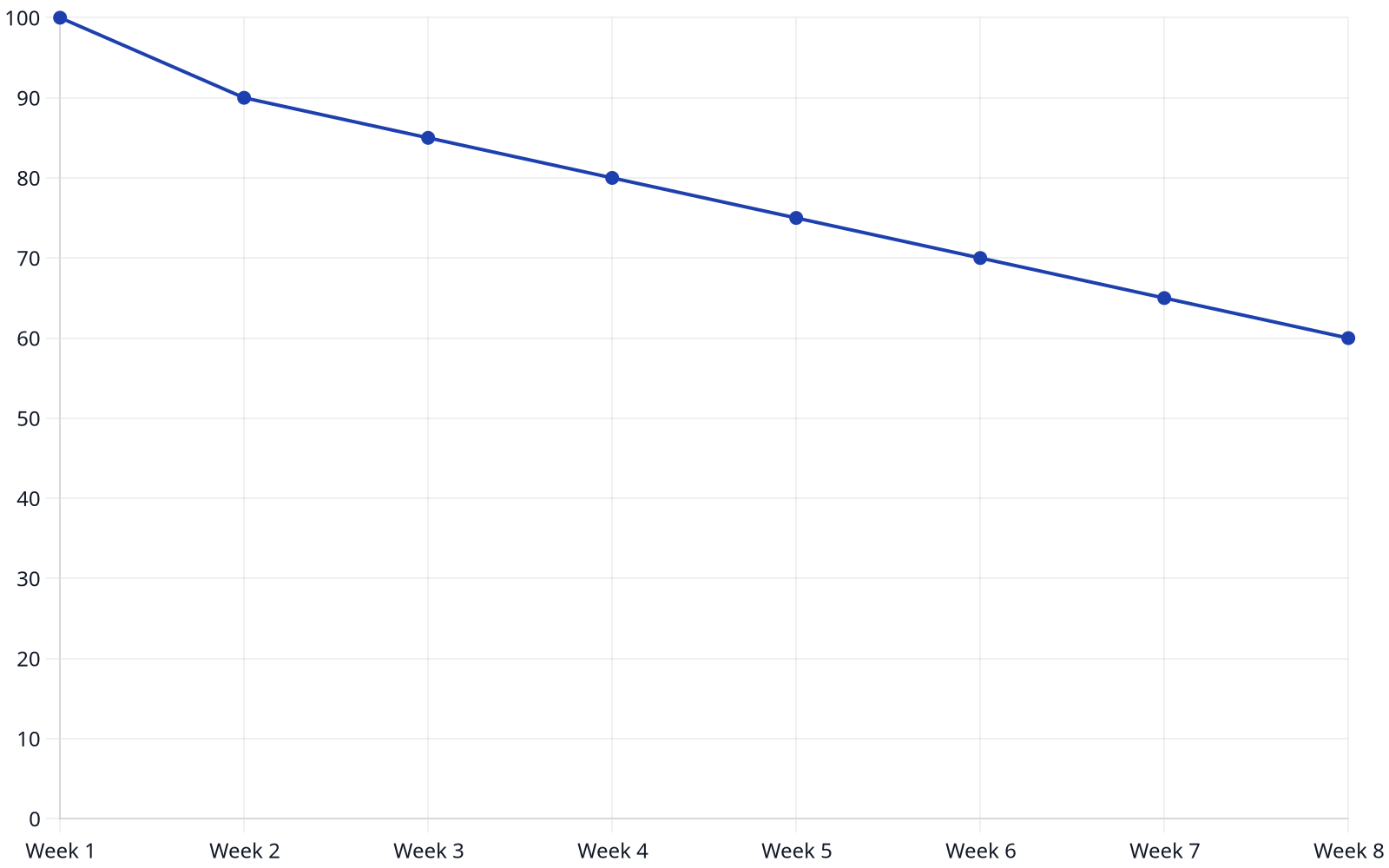
Consistently practicing gentle rituals can have a profound impact on your overall well-being. Initially, you might just notice small moments of calm in your day. But over weeks and months, these practices can fundamentally change your relationship with stress. By regularly activating your parasympathetic nervous system ("rest and digest"), you lower your baseline cortisol levels. This can lead to better sleep, improved digestion, a stronger immune system, and a greater sense of emotional resilience. It’s not a quick fix, but a gradual return to your body’s natural state of balance and wholeness.
FAQ
What's the difference between meditation and breathwork?
Meditation is a broad practice of training attention and awareness to achieve a mentally clear and emotionally calm state. Breathwork is a more specific, active practice that uses conscious control of breathing to influence your mental, emotional, or physical state. While many meditations use the breath as an anchor, breathwork techniques are often more dynamic and are specifically designed to move energy, release emotions, or regulate the nervous system.
Can I do these rituals with my family?
Yes, sharing gentle rituals can be a beautiful way to connect with loved ones. You could establish a ritual of sharing one thing you’re grateful for at the dinner table. You could do a simple, guided 5-minute meditation with your children before bed. The key is to keep it simple and invitational, allowing everyone to participate in a way that feels good to them, fostering a shared sense of calm and belonging.
Are there any apps that can help?
Yes, several apps can support your practice. For guided meditations, Calm and Headspace are popular choices with large libraries of content. For breathwork, Othership offers a variety of guided sessions for different moods and goals. For journaling, an app like Day One can provide prompts and a private space to write. These tools can be a great support, especially when you are just starting to build your rituals.
How often should I practice these rituals?
Daily practice is ideal for creating a lasting impact, but the most important thing is consistency over intensity. A 5-minute ritual practiced every day is more powerful than a one-hour ritual practiced once a month. Start with a frequency that feels sustainable and manageable for your life right now. Even a few times a week is a wonderful place to begin. The goal is to create a rhythm of returning to yourself.
What if a ritual brings up uncomfortable emotions?
This is a sign that the ritual is working. Gentle practices create safety, and when your body finally feels safe, it may start to release stored stress and unprocessed emotions. If feelings of sadness, anger, or anxiety arise, see if you can simply be with the sensation without judging it or needing it to go away. Breathe into it. If the feelings are overwhelming, it may be a good time to seek support from a therapist or a healing practitioner who can help you navigate what's coming up.
Where can I find community around these practices?
You can find community in local yoga or meditation studios, online groups, or through dedicated healing spaces. At Asha's Place Lisbon, we offer a steady weekly rhythm of healing practices, movement, and community gatherings specifically for this purpose. Finding a community of people who are also committed to this gentle, unhurried path can provide invaluable support and encouragement. You realize you are not alone in this desire to reconnect and come home to yourself.
Ready to find a doorway back to yourself? The journey doesn't have to be another thing you do alone. At Asha's Place, we create containers for you to be held, to rest, and to remember your own wisdom. Explore our classes and private retreats in Lisbon to begin.