Find Your Online Holistic Wellness Coach: A Step-by-Step Guide
Most people think “wellness” is about green juice, 5 AM alarms, and a perfectly curated Instagram feed. They think it’s another thing to achieve, another checklist to perfect. I know because I was one of them. As a former attorney and tenured professor, I did everything “right” and still felt completely disconnected from myself. Online holistic wellness coaching isn't about adding more to your plate; it’s about creating space to hear your own wisdom. It integrates mind, body, and spirit to help you reconnect with your intuition and build a life that actually feels good, not just one that looks good on paper.
By the end of this guide, you will have a clear, step-by-step process to find an online holistic wellness coach who sees you, understands your background, and can create a space for you to come home to yourself. You’ll learn how to vet coaches, what questions to ask, and how to trust your gut in making this deeply personal decision.
Prerequisites
Before you begin your search, take a moment for some unhurried reflection. You don’t need to have all the answers, but a little clarity goes a long way.
- A Quiet Hour: Set aside at least 60 minutes where you won't be interrupted. No phone, no email, just you and a notebook.
- A Journal or Notebook: You’ll use this to answer some reflection questions. Digital is fine, but pen and paper can feel more grounding.

Step 1: Define What “Home” Feels Like to You
Before you can find someone to guide you, you need a sense of where you’re going. The goal isn't a destination, but a feeling. The wellness industry often sells aspirations that are external: a certain body, a specific income, a particular lifestyle. Holistic coaching is an inside job. It’s about returning to a state of internal alignment and self-trust.
In your journal, reflect on these questions:
- When in my life have I felt most like myself? What was I doing? Who was I with? What did it feel like in my body?
- If I could shed one pressure or expectation, what would it be?
- What does “rest” truly mean to me? (It might not be sleep! It could be dancing, painting, or staring out a window.)
- What am I hungry for that has nothing to do with food? (e.g., connection, creativity, peace, joy).
Step 2: Understand the Scope of Holistic Wellness Coaching
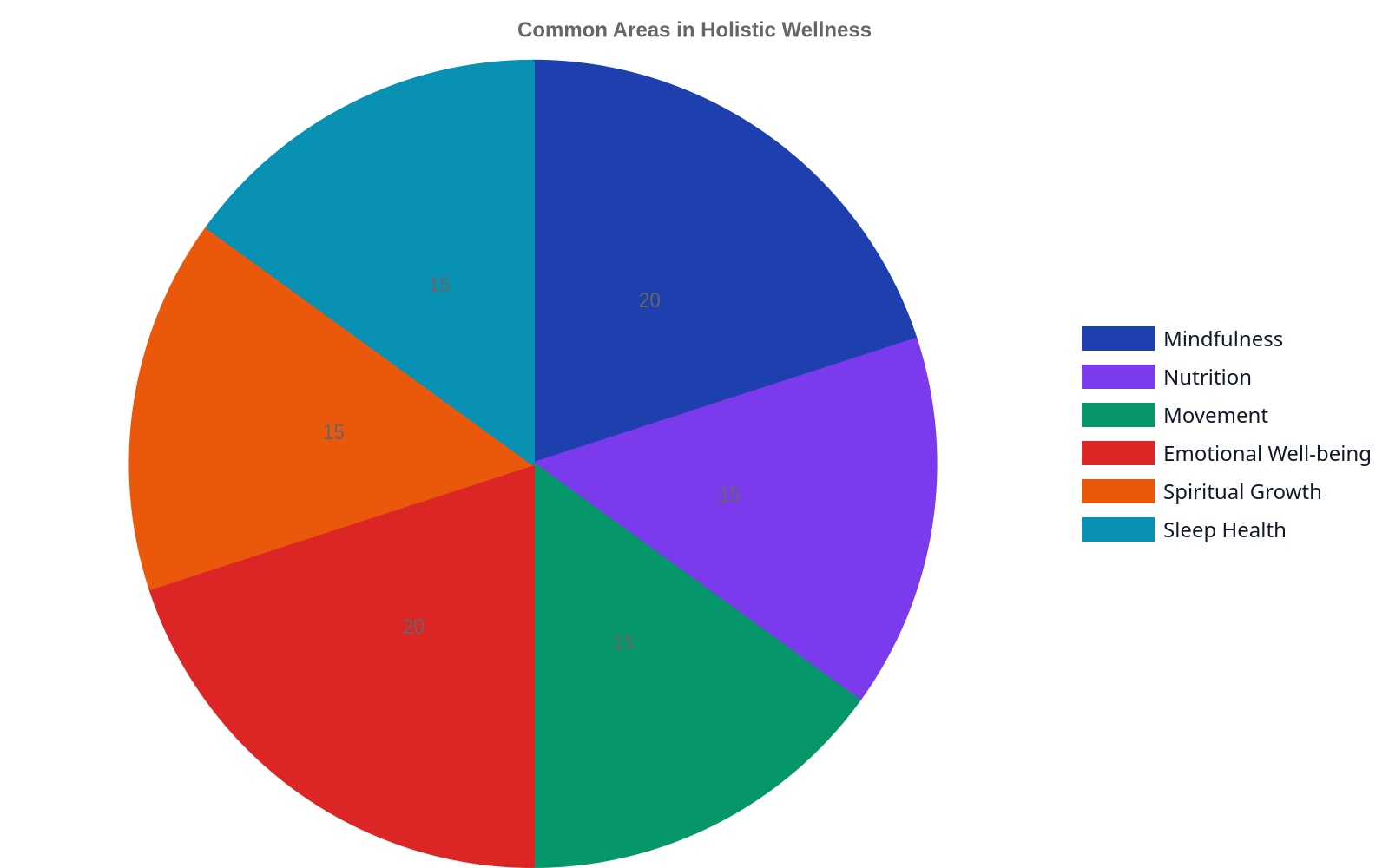
Holistic coaching isn’t a monolith. It’s a rich field that blends modern, evidence-based practices with ancestral wisdom. The term “holistic” simply means we look at the whole person: mind, body, spirit, and environment. A 2021 study on wellness coaching highlighted its effectiveness in improving quality of life and reducing stress, which are common goals for clients.
Key areas often include:
- Mind: Stress management, mindset patterns, self-talk, emotional regulation, and building confidence.
- Body: Nutrition, sleep hygiene, movement, and nervous system regulation. This isn’t about a punishing fitness routine but about learning the language of your body.
- Spirit: Purpose, connection, intuition, joy, and creative expression. This can involve anything from mindfulness and meditation to energy work or connecting with nature.
Step 3: Research Potential Coaches and Philosophies
Now the search begins. But instead of just typing “online holistic wellness coaching” into Google and clicking on the first ad, approach this with intention. You are looking for a relationship, not just a service provider.
Start by looking for coaches whose message makes you feel seen. Read their websites, their blog posts, and their social media. Do they speak to your specific challenges? As a Black woman who built a career in law and academia, I know the unique pressures that come with being the "first" or "only" in a room. I built my practice for women who’ve been there because I know that healing requires a space where you don’t have to explain why you’re exhausted.
Most healing programs for high achievers are designed by people who’ve never had to be twice as good to get half as far. Your coach should get it.
Look for different coaching philosophies. Some are more structured, while others are more intuitive and flow-based. Neither is better; they are just different. Harvard Medical School’s affiliate offers training in lifestyle and wellness coaching that is very evidence-based. Other programs might focus more on spiritual traditions. Notice what your body and intuition tell you as you explore. Does a coach’s language make you feel expansive and hopeful, or does it feel restrictive and demanding? Trust that.
Step 4: Vet Their Credentials and Approach
Once you have a shortlist of 2-3 coaches, it’s time to look a little deeper. The wellness industry is largely unregulated, so it’s important to understand a coach’s background. Look for certifications from reputable organizations. The National Board for Health & Wellness Coaching (NBHWC) maintains a directory of approved training programs and certified coaches. Certification isn’t everything, lived experience and deep personal work are just as important, but it shows a level of commitment and standardized knowledge.
Beyond credentials, look for their coaching process. How do they work with clients?
- Discovery/Chemistry Call: Almost every reputable coach offers a free initial call. This is for you as much as it is for them. It’s a chance to see if your energies align.
- Personalized Plan: Holistic coaching is not one-size-fits-all. A coach should co-create a plan with you based on your unique goals from Step 1.
- Ongoing Support: What does support look like between sessions? Email? A messaging app? How often do you meet?
Step 5: The Chemistry Call: Asking the Right Questions
The chemistry call is your interview. This is your chance to feel out the relationship. Don’t be afraid to ask direct questions. You are making a significant investment in your well-being. A good coach will welcome your questions and answer them with transparency and care.
Here are some questions to ask:
- "Can you tell me about your own healing and how it informs your coaching?" A coach can only guide you as far as they’ve gone themselves. Their answer will reveal their self-awareness and integrity.
- "What does a typical coaching engagement look like? What’s the structure and what is expected of me?" This clarifies the practicalities. Session length, frequency, duration of the coaching relationship, and pricing.
- "How do you support clients when they feel stuck or face resistance?" Change is hard. Their answer will show you their capacity to hold space for the messy parts of the process.
- "You talk about [a specific concept from their website, e.g., ‘nervous system regulation’]. What does that look like in practice for your clients?" This tests whether they can translate their philosophy into tangible action.
- "What kind of results do your clients typically experience?" Listen for stories of internal shifts (more self-trust, less anxiety, a clearer sense of purpose) not just external achievements. The International Association of Wellness Professionals (IAWP) often highlights testimonials from clients who have experienced profound personal changes.
Step 6: Trust Your Gut and Make a Decision
After your calls, take a day or two to let the experiences settle. Review your notes and your initial reflections from Step 1. Which coach feels most aligned with the version of yourself you are trying to come home to?
This decision isn’t about who is the “best” coach. It’s about who is the right coach for you, right now.
Sometimes the right choice is the one that feels a little scary because it challenges you. Other times, it’s the one that feels like a full-body exhale. There is no wrong answer if you make it from a place of intuition. Trust that small, quiet voice inside. It knows the way.
Benefits of Online Holistic Wellness Coaching
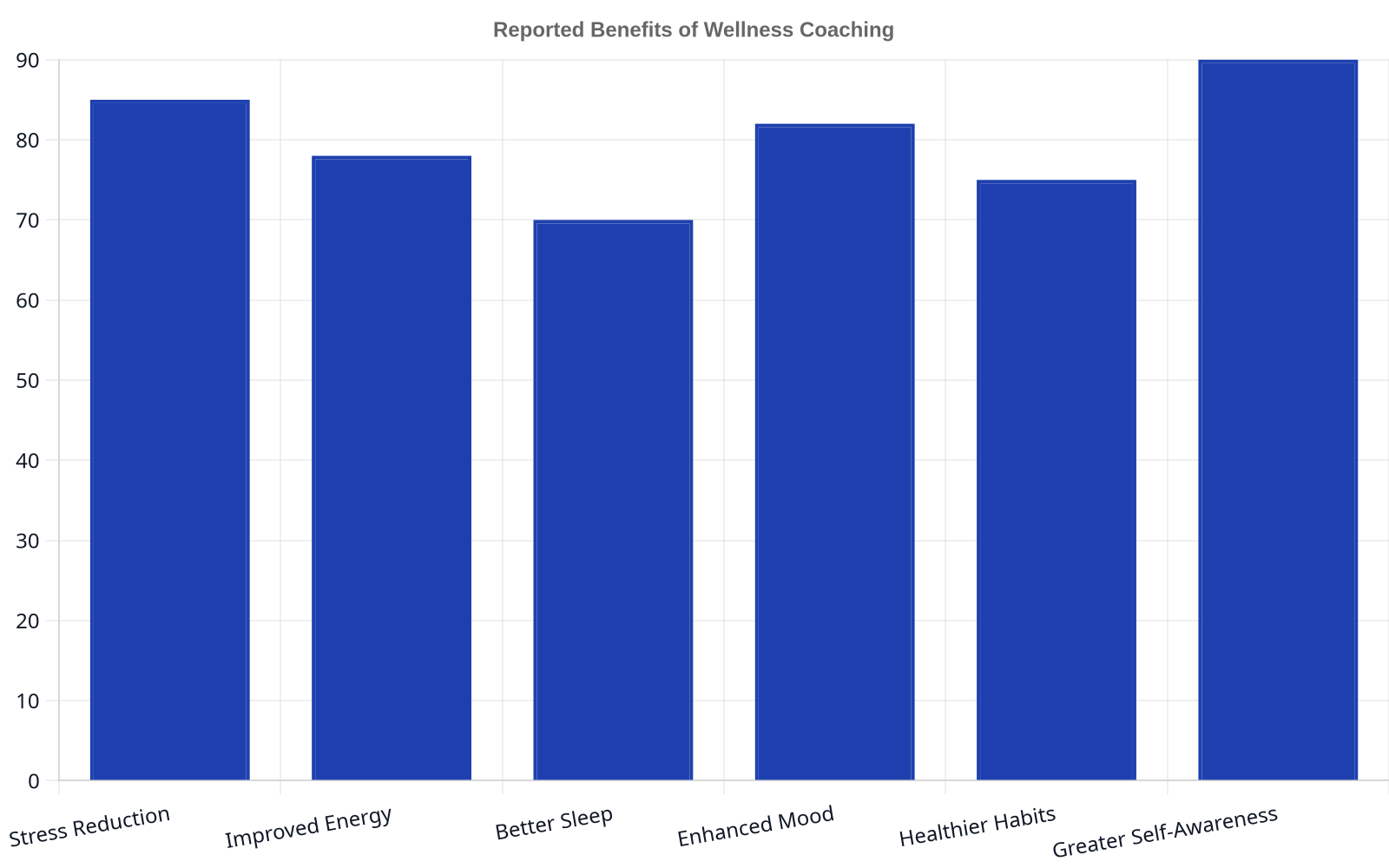
Committing to this process offers possibilities that extend far beyond a single goal. Working with an online holistic wellness coach provides a unique container for growth, especially for busy, mission-driven women.
The most common benefits include:
- Accessibility and Convenience: You can connect with the perfect coach for you, regardless of geography. This opens up a world of possibilities and allows you to do deep work from the comfort of your own home.
- Increased Energy and Vitality: By addressing the root causes of burnout, not just the symptoms, you can learn to manage your energy and reconnect with a sense of vitality.
- Deeper Self-Trust: The entire process is designed to help you listen to your own body and intuition again. This is the superpower that allows you to navigate life with more ease and confidence.
- A Sense of Balance and Joy: By aligning your actions with your values, you can create a life that feels more joyful, balanced, and authentic to you.
- Community and Belonging: Many online programs, including our community gatherings, provide a space to connect with others who are on a similar path. Knowing you aren’t alone is profoundly healing.
If you’re ready to stop performing and start living from a place of deep self-trust, the right support can make all the difference. Take your time with this process, trust yourself, and get ready to come home.