Reiki is a compound of two Japanese words: "Rei," meaning "universal life," and "Ki," which translates to "energy." So, Reiki is literally "universal life energy." This concept of life force energy isn't unique to Japan; you’ll find similar ideas in other cultures, such as "Qi" in traditional Chinese medicine and "Prana" in the yogic traditions of India. The practice as we know it today was developed by a Japanese Buddhist named Mikao Usui in the early 20th century.
At its heart, Reiki is a practice of channeling this universal energy. A trained practitioner acts as a conduit, allowing energy to flow through their hands to the recipient. This isn't the practitioner’s personal energy; they are simply creating a channel for the universal supply to flow where it's most needed. The core idea is that when our life force energy is low or blocked by stress, injury, or emotional pain, we are more susceptible to illness. When it is high and flowing freely, we are more capable of being happy and healthy.
- Best for: Anyone feeling stressed, overwhelmed, disconnected, or in need of deep rest. It’s particularly supportive for people navigating anxiety, chronic pain, or major life transitions.
- Watch out for: Practitioners who promise to "cure" diseases or who insist you stop conventional medical treatment. Reiki is a complementary therapy, a support system, not a replacement for a doctor.
How Does a Reiki Session Actually Work?
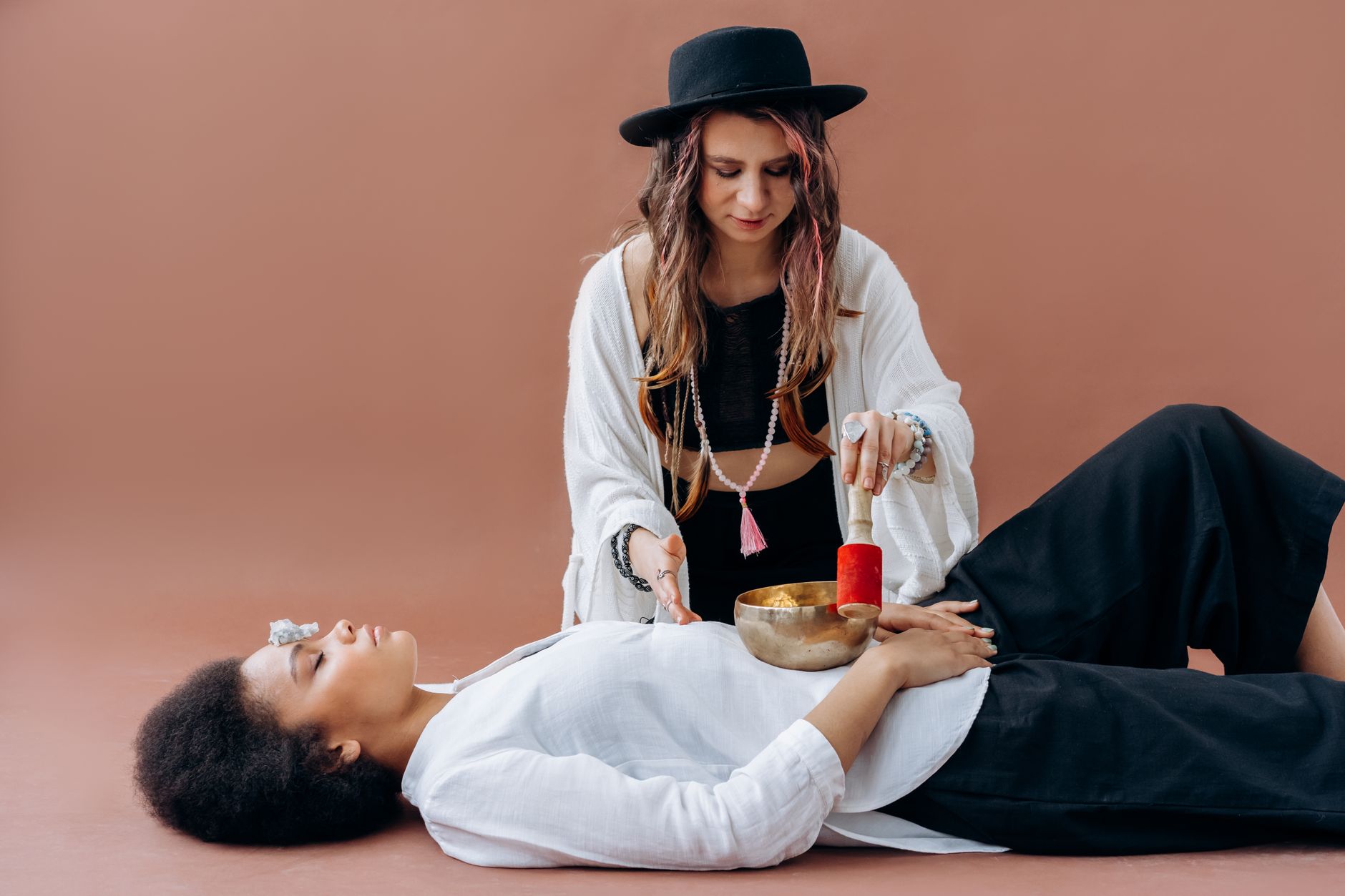
A session is a space for you to simply be. You’ll lie down, fully clothed, on a massage table in a quiet, calming environment. The practitioner will then gently place their hands on or slightly above different parts of your body, often starting at the head and moving towards the feet. There’s no massage or manipulation involved; the touch is light and stationary. Some practitioners may not use touch at all, instead holding their hands a few inches away from your body.
What you feel during a session is highly individual. Many people experience a sense of deep, profound relaxation, like the feeling you get right before you fall asleep. You might feel warmth, tingling, or subtle pulsing where the practitioner's hands are. Some people see colors, recall memories, or have emotional releases like tears or laughter. It’s also completely normal to feel nothing at all besides a state of calm. Whatever your experience, it is valid. The body takes what it needs, and sometimes the deepest work happens when the conscious mind is simply quiet.
- Best for: Individuals who are looking for a non-invasive, gentle form of bodywork. It’s an excellent entry point into energy work for those who might be hesitant about more physically intensive modalities.
- Watch out for: An environment that doesn't feel safe or comfortable. Your nervous system needs to feel secure to relax, so trust your gut. A professional practitioner will prioritize creating a space where you feel completely at ease.
The Real, Tangible Benefits of Reiki
While the scientific community debates the mechanisms behind Reiki, the reported benefits are consistent. The most common experience is a significant reduction in stress and anxiety. By activating the parasympathetic nervous system (the "rest and digest" state), Reiki can help lower cortisol levels, slow the heart rate, and ease muscle tension. It provides a doorway to a state of being that many of us, especially high-achieving women, rarely allow ourselves to enter. We offer various healing practices at our studio because we know that reconnecting with this inner calm is fundamental.
The second major benefit is improved emotional well-being. Reiki can create space for suppressed emotions to surface and release in a gentle, supportive way. It’s not about forcing anything; it’s about allowing what’s already there to be seen and integrated. For many, this leads to a clearer mind, better sleep, and a greater sense of resilience. It is a powerful reminder that you are not broken; you just need to remember how to listen to the wisdom of your body.
The remedy isn't more discipline; it's learning to trust yourself again and to let your body be your compass, not your enemy. Your ancestors didn't sacrifice for you to be exhausted. They sacrificed so that you would be free.
- Best for: People seeking relief from the physical symptoms of stress, such as headaches, fatigue, and digestive issues, as well as those working through emotional blockages. At Asha's Place, we often combine it with other modalities in an Intuitive Reading and Energy Healing Session to provide holistic support.
- Watch out for: The misconception that one session will solve everything. Like any practice, the benefits of Reiki are cumulative. While a single session can be deeply relaxing, regular sessions can create more profound and lasting shifts.
- Statistic: While it's gaining recognition, its adoption varies. According to Statista, 4% of US adults used Reiki as an alternative medicine treatment as of 2021. Interestingly, a 2016 survey found that 10% of Canadians had used it.
The Debate: Science, Spirit, and the Placebo Effect
Let’s be direct: the scientific evidence for Reiki is still emerging and often debated. Many studies are small or have methodological flaws, and the "universal life energy" at its core is not something we can currently measure with scientific instruments. Critics often attribute Reiki’s benefits to the placebo effect, the power of positive suggestion, and the simple therapeutic value of quiet rest and gentle human touch. And honestly? They’re not entirely wrong, but they are missing the point.
The placebo effect is just a name for the body’s own incredible ability to heal itself when it believes it can. If a Reiki session creates the belief, the safety, and the relaxation necessary for your own body to regulate and restore balance, is that not a powerful and valid form of healing? As the the Cleveland Clinic notes, it’s a practice many describe as deeply therapeutic, even if we don’t fully understand the "how." It should not be used in place of conventional treatments, but as a support for them.
Healing isn't something done to a person, it's a condition created for them to reconnect with their own intuition and self-trust.Best for: Those who are open to experiences that can't be fully explained by current scientific models and who are comfortable with the "both/and" reality: it may be a powerful energetic phenomenon, and* it may be a powerful way to activate the body’s self-healing mechanisms.
- Watch out for: Getting caught up in needing to "prove" or "disprove" the experience. The value is in how you feel, not in how it can be explained. Your body’s wisdom is the only authority that matters here.
Finding a Qualified Reiki Practitioner
Since Reiki is an unregulated field, finding a practitioner you trust is essential. Start by looking for their training and lineage. Most practitioners will trace their training back to Mikao Usui. There are typically three levels of training: Level I (focused on self-healing), Level II (qualifies them to practice on others), and Level III or Master Level (qualifies them to teach). Ask about their training, their experience, and their personal philosophy around healing. A reputable practitioner will be happy to answer your questions.
More importantly, find someone you feel comfortable with. Read their website, have a brief phone call, or even attend one of their community gatherings. Do you feel seen and heard? Do they listen more than they talk? Do they project an air of quiet confidence rather than a salesy pitch? A true guide doesn’t promise to heal you; they hold space for you to heal yourself. Trust the resonance you feel. That connection is more important than any certificate on the wall.
- Best for: Starting your search with personal recommendations from trusted friends or wellness professionals. Look for practitioners who are transparent about their training and approach.
- Watch out for: Grandiose claims, high-pressure sales tactics, or anyone who makes you feel "less than" for asking questions. This is your healing, and you have a right to feel safe and empowered throughout the process.
| Feature | Description |
|---|---|
| Core Principle | Channeling "universal life energy" (Ki) to promote balance and self-healing. |
| The Experience | Lying fully clothed while a practitioner places hands lightly on or above the body. |
| Common Sensations | Deep relaxation, warmth, tingling, emotional release, or simply a sense of peace. |
| Primary Benefits | Stress reduction, anxiety relief, emotional balance, improved sleep. |
| Scientific View | Mechanisms are debated; benefits often attributed to the placebo effect and nervous system regulation. |
| Finding a Pro | Look for clear lineage, Master-level training, and a personal connection. |
FAQ
What is the difference between Reiki and massage?
Reiki and massage are both therapeutic, but they work differently. Massage involves the physical manipulation of muscles and soft tissues to relieve tension. You are typically undressed to some degree, and the practitioner uses pressure, kneading, and various strokes. Reiki is an energy-based practice where you remain fully clothed. There is no muscle manipulation; the practitioner uses light, stationary touch (or no touch at all) to channel energy and promote balance in the body’s subtle energy systems. Massage works on the physical structure; Reiki works with the energetic field that animates it.
How often should I get a Reiki session?
This is entirely personal and depends on your goals. If you are going through a particularly stressful period, you might find a weekly session for 3-4 weeks incredibly supportive. For general well-being and maintenance, once a month may be perfect. Many people start with a series of sessions to address a specific issue and then move to a more periodic schedule. The best approach is to have a session, see how you feel for the next few days, and let your body tell you when it’s time for another.
Can you do Reiki on yourself?
Absolutely! Self-Reiki is a core part of the practice and is typically taught in a Level I Reiki course. It involves placing your hands on your own body in a sequence of positions to give yourself the same calming, balancing energy. It’s a powerful tool for daily self-care, stress management, and connecting with your own body. Even a few minutes of self-Reiki before sleep can make a significant difference in your quality of rest.
Are there different types of Reiki?
Yes. While most forms trace their roots back to Mikao Usui, several different schools or styles have evolved. Usui Reiki is the most common and traditional form. Other styles you might encounter include Karuna Reiki, which incorporates different symbols and is often described as more compassionate, and Holy Fire Reiki, a more recent evolution with a focus on purification and spiritual empowerment. While the energies might feel slightly different, the core principles of channeling universal energy for healing remain the same across all legitimate forms.
What does it mean to be "attuned" to Reiki?
The attunement is the process that makes Reiki, Reiki. It’s a ceremony or ritual performed by a Reiki Master that opens and attunes a student's energy channels to be able to consciously connect with and channel universal life energy. It’s not something you can learn from a book or video; it must be passed from teacher to student. Each level of Reiki training includes an attunement that deepens this connection and ability.
Is Reiki a religion?
No, Reiki is not a religion. It has no dogma, and it doesn't require any specific belief system to work. It is a spiritual practice in that it works with the subtle energy that underlies our physical existence, but it is not affiliated with any particular religion or creed. People from all religious backgrounds and spiritual paths, as well as those with no religious affiliation at all, can practice and receive Reiki.