Body Awareness Exercises: Why Listening to Your Body Matters
Your body is talking, but are you listening? So many of us, especially high-achieving women, have learned to live from the neck up. We trust our intellect, our planning, our grit, but we've been taught to ignore, override, or even resent the messages our bodies send. We see rest as a reward to be earned, not a basic requirement. This disconnection isn't a personal failing; it's a cultural script. The profound benefits of body awareness exercises lie in their ability to gently guide you back to your own internal wisdom, offering a path to regulate your nervous system, reduce pain, and reclaim a sense of wholeness.
Body awareness isn't another thing to perfect or achieve. It's a homecoming. It's the simple, radical act of paying attention to the physical sensations in your body without judgment. This practice is the foundation for trusting yourself again. It’s how you learn to distinguish the voice of your intuition from the noise of your inner critic. Through gentle movement, breathwork, and focused attention, you create the conditions for your body to feel safe, seen, and heard. This is where true healing begins, not by adding more to your plate, but by learning to listen to the wisdom you already carry.
What is body awareness, really?
Body awareness, or interoception, is the ability to feel and interpret the internal signals of your body. It’s noticing your heartbeat before a presentation, the subtle clench in your jaw during a difficult conversation, or the feeling of warmth spreading through your chest when you laugh. It’s not just a mental checklist; it’s a lived, sensory experience. This sense is distinct from proprioception (knowing where your body is in space) but deeply connected to it. It’s the essential skill for answering the question, “How am I, right now?” without having to think about it.What are the core benefits of body awareness exercises?
The primary benefits of body awareness exercises are improved emotional regulation, reduced physical pain, and a stronger mind-body connection. By learning to notice subtle cues, you can respond to stress before it becomes overwhelming. A 2010 study published in the journal Emotion found a direct link between interoceptive awareness and the intensity of emotional experience. Physically, it helps you identify and release chronic tension, improve posture, and move more efficiently, which can significantly decrease pain. Mentally, it grounds you in the present moment, quieting anxious thoughts and fostering a sense of self-trust.How does body awareness relate to proprioception?
Body awareness is the ‘what’ and ‘how’ of your internal state, while proprioception is the ‘where.’ Proprioception is the sense that allows you to know where your limbs are without looking at them. You can thank proprioception for your ability to touch your nose with your eyes closed. Body awareness (interoception) is about the sensations within those limbs: are they tense, relaxed, warm, cold, tingling? While they are distinct neurological functions, they work together constantly. Improving one often enhances the other, leading to better balance, coordination, and a more integrated sense of self.What’s a simple body scan meditation I can do now?
Find a comfortable position, either sitting or lying down, and close your eyes if you feel safe doing so. Take a few deep, unhurried breaths. Start by bringing your attention to the soles of your feet. Just notice any sensations: warmth, tingling, pressure against the floor. Don’t try to change anything, just observe. Slowly, move your attention up your legs, into your hips, your belly, chest, arms, and finally to your head and face. Spend a few moments with each body part, simply witnessing the sensations present. This isn't about achieving a state of blankness; it's about practicing non-judgmental attention. This is a foundational exercise we often use in our healing practices.Can body awareness help with chronic pain?
Absolutely. Chronic pain often involves a feedback loop where the brain becomes hypersensitive to signals from a particular area. Body awareness practices help break this cycle. By gently bringing non-judgmental attention to the area of pain, you can begin to differentiate between the raw sensation and the emotional story (fear, frustration) attached to it. Techniques like mindful movement and breathwork calm the nervous system, reducing the overall stress response that exacerbates pain. This isn't about ignoring the pain but about changing your relationship to it, which research shows can significantly reduce its perceived intensity.How Does Body Awareness Improve Physical Health?
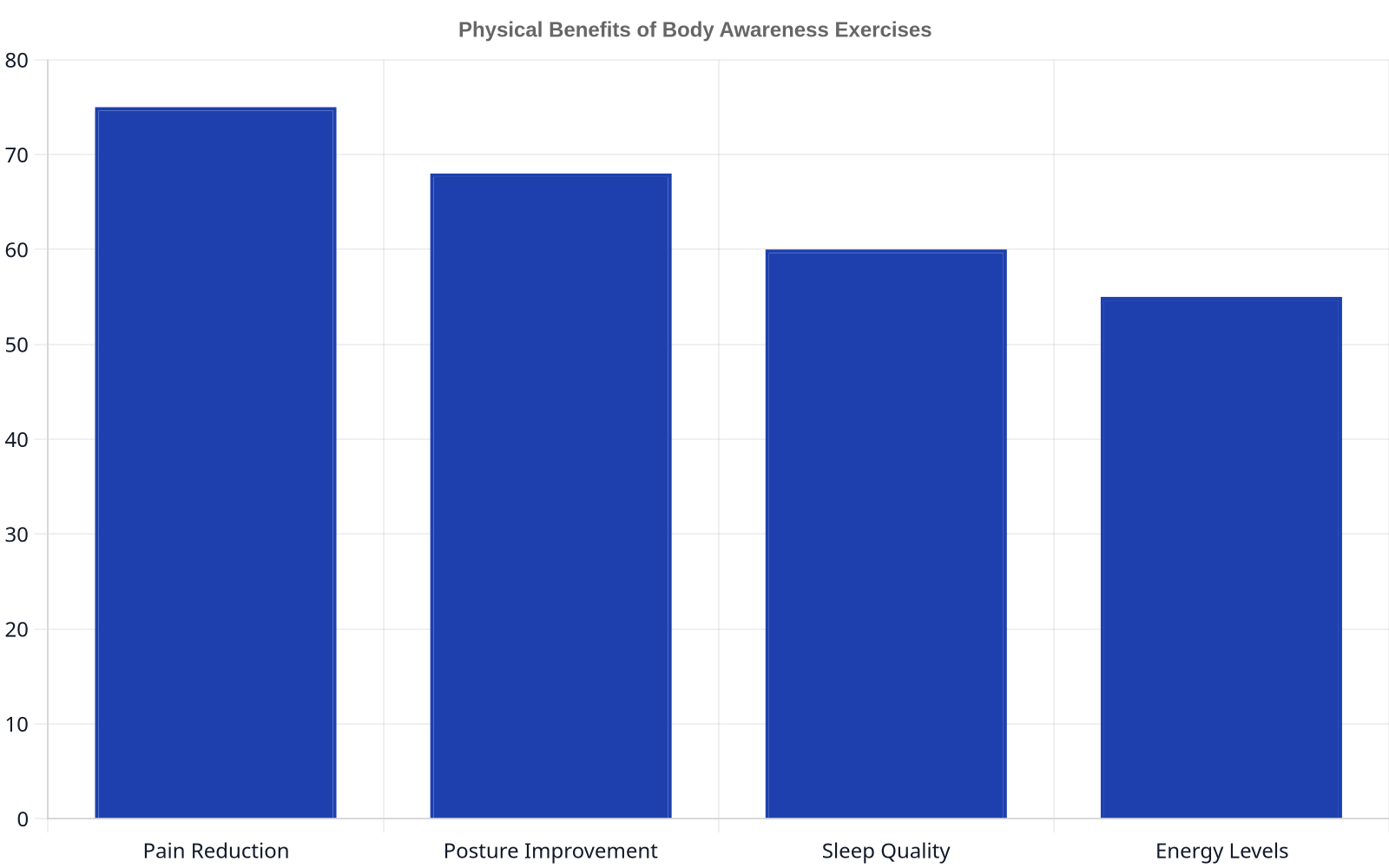
Body awareness fundamentally changes your relationship with your physical self, leading to tangible health improvements. It allows you to notice and correct poor posture before it leads to back pain. You become more attuned to hunger and fullness cues, supporting healthier eating patterns. For athletes and dancers, this heightened sense, often called kinesthetic awareness, is critical for peak performance and injury prevention. By feeling how you move, you can refine technique and avoid strain. It’s about inhabiting your body with more precision and care, whether you're performing a complex dance move or just walking up the stairs.
What are some signs of poor body awareness?
Signs of poor body awareness can be both physical and emotional. Physically, you might be clumsy, frequently bump into things, have poor posture you don't notice, or use excessive force when handling objects. Emotionally, you might have difficulty identifying and naming your feelings, feeling disconnected or “numb,” or not noticing you're hungry, thirsty, or tired until you're completely depleted. Many high-achievers are conditioned to ignore these signals, pushing through exhaustion as a badge of honor, which is a classic sign of a disconnected body-mind relationship.Many of us have been taught to live in our heads, treating our bodies like vehicles to carry our brains from one task to the next. Body awareness is the invitation to finally move into the driver's seat.
Can yoga really improve body awareness?
Yes, yoga is one of the most effective practices for developing body awareness. A typical yoga class continually asks you to connect your breath to your movement and notice the sensations in each pose. You’re prompted to feel the ground beneath your feet in Mountain Pose or notice the stretch along your side body in Triangle Pose. Unlike a gym workout focused on reps, yoga emphasizes the quality and feeling of the movement itself. This constant, guided inner listening is a powerful training ground for interoception and proprioception, teaching you to be present with whatever sensations arise.What about breathwork for body awareness?
Breathwork is a direct line to your body's control center: the autonomic nervous system. By consciously changing your breathing pattern, you can influence your heart rate, blood pressure, and stress response. A Private Breathwork Session, for example, can guide you to notice the subtle ways you hold your breath in moments of stress or fear. Learning to breathe deeply and fully sends a powerful signal of safety to your body. This practice makes you acutely aware of the connection between your emotional state and your physical body, giving you a tool to regulate both.What are the Mental Health Benefits of Body Awareness?
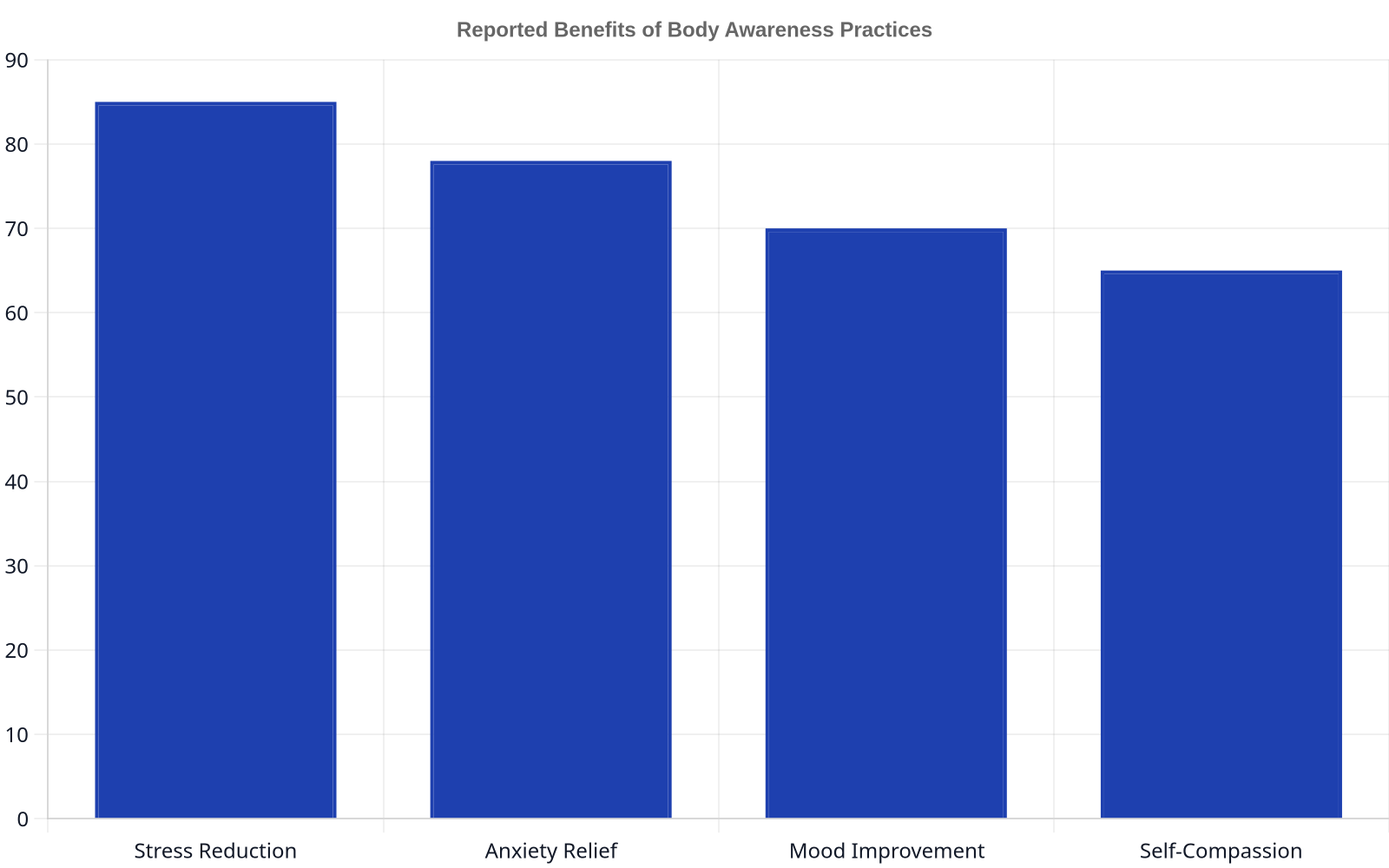
The mental health benefits are profound because body awareness anchors you in the present moment, which is the only place you can truly feel safe and at ease. When you are tuned into your body, you're less likely to be hijacked by anxious thoughts about the future or regrets about the past. A study by researchers at the University of Virginia highlights how this practice enhances resilience. It helps you recognize the physical signature of emotions (the tight chest of anxiety, the hot face of anger) and meet them with breath and compassion instead of reactivity. This creates the space to respond thoughtfully rather than impulsively.

How does body awareness change as we age?
Body awareness is not static; it evolves throughout our lives. Children naturally have a strong mind-body connection that can diminish with age due to social conditioning and trauma. During pregnancy, body awareness shifts dramatically as the body changes. As we enter later life, proprioception can decline, affecting balance and increasing fall risk. However, continuing practices like Tai Chi, yoga, and even simple balance exercises can maintain and even improve body awareness, supporting vitality, stability, and confidence at any age. It’s a lifelong practice of returning to yourself.Are there any apps or tech that can help?
While the core of body awareness is an internal, low-tech practice, some technology can be a helpful starting point. Meditation apps like Insight Timer or Calm often have guided body scan meditations. Wearables that track heart rate variability (HRV) can offer biofeedback on your nervous system's state, prompting you to notice the connection between your stress levels and physical data. However, the goal is always to eventually internalize these skills. Technology can be a useful guide, but the ultimate authority is the wisdom of your own body, not a notification on your phone.Your body is not a problem to be solved or a project to be perfected. It is your home. Learning to listen to it is the most loving act of return.
What is a common misconception about body awareness?
A common misconception is that body awareness means being hyper-vigilant about every ache and pain, leading to health anxiety. In reality, it’s the opposite. Poor body awareness often leads to anxiety because unidentified sensations are interpreted by the mind as threats. True body awareness is practiced with non-judgmental curiosity. It allows you to feel a sensation, identify it (“Ah, that’s just my stomach gurgling”), and let it go without attaching a story of doom. It reduces anxiety by demystifying the constant stream of physical feedback and increasing your trust in your body’s resilience.How can I build more body awareness in my daily life?
Start small. Pick one daily activity, like washing the dishes, and turn it into a practice. Notice the temperature of the water on your hands, the smell of the soap, the feeling of your feet on the floor. Take a “Somatic Sip” a few times a day: pause, take one conscious breath, and ask “What am I feeling in my body right now?” No need to fix it, just notice. Go for a walk without headphones and pay attention to the rhythm of your footsteps and the feeling of the air on your skin. These small moments of presence accumulate, weaving body awareness into the fabric of your life.FAQ
How long does it take to develop body awareness?
There's no finish line. Body awareness is a practice, not a destination. You can feel benefits, like a sense of calm, from your very first body scan meditation. However, building a deep and stable connection can take months or years of consistent, gentle practice. Progress isn't linear; some days you will feel more connected than others. The key is consistency and self-compassion, not speed.Can body awareness help with anxiety?
Yes, it is one of the most effective tools for managing anxiety. Anxiety often involves getting lost in future worries. Body awareness practices, like focusing on your breath or the sensation of your feet on the ground, act as an anchor to the present moment. This process, called grounding, calms the nervous system and interrupts the cycle of anxious thoughts, reminding you that in this specific moment, you are okay.Is Somatic Therapy the same as body awareness?
Somatic therapy is a specific therapeutic approach that uses body awareness as a primary tool for healing trauma and emotional distress. While anyone can practice body awareness exercises, somatic therapy is facilitated by a trained therapist who helps you process and release trauma that is “stuck” in the body. Body awareness is the skill; somatic therapy is one of its powerful clinical applications.What if I try a body scan and feel nothing?
This is incredibly common, especially when you’re starting out or if you have a history of disconnection from your body. Don’t be discouraged. The “nothing” is itself a sensation to be noticed without judgment. You might try focusing on “bigger” signals first, like your breath moving in your chest or the pressure of the chair supporting you. With gentle, repeated practice, the more subtle sensations will begin to emerge. Patience is key.Can children learn body awareness?
Yes, and it's immensely beneficial for them. Children often develop this sense around the ages of 10-11. Simple games like “Simon Says” involving body parts, practicing animal walks (like a bear crawl or crab walk), or doing simple yoga poses can help them develop both proprioception and interoception. Encouraging them to name their feelings and where they feel them in their body (“Are you feeling wiggly in your tummy?”) builds a foundation for emotional intelligence that will serve them for life.At Asha's Place, we believe that reconnecting to the body is not just an exercise; it's an act of remembering your power. Our community gatherings and workshops are designed as different doorways back to yourself, helping you learn the language of your own energy in a space that feels safe and supportive. If you're ready to stop listening to the world and start listening to yourself, we're here to welcome you home.