5 Ways Shared Experiences Forge True Community & Connection
Building Community Through Shared Experiences: It’s How We Come Home to Ourselves
Most of us have been taught that connection is something you find. A person, a place, a job. We spend years searching for it, collecting achievements and accolades, hoping that the next milestone will finally be the one that makes us feel like we belong. But that feeling often remains just out of reach. Building community through shared experiences isn’t about finding something that’s missing; it’s about creating the conditions to remember a connection that already exists within and between us. It’s the gentle, unhurried process of seeing and being seen, and it’s the most direct path back to yourself.

The Real Definition of Community: More than Proximity
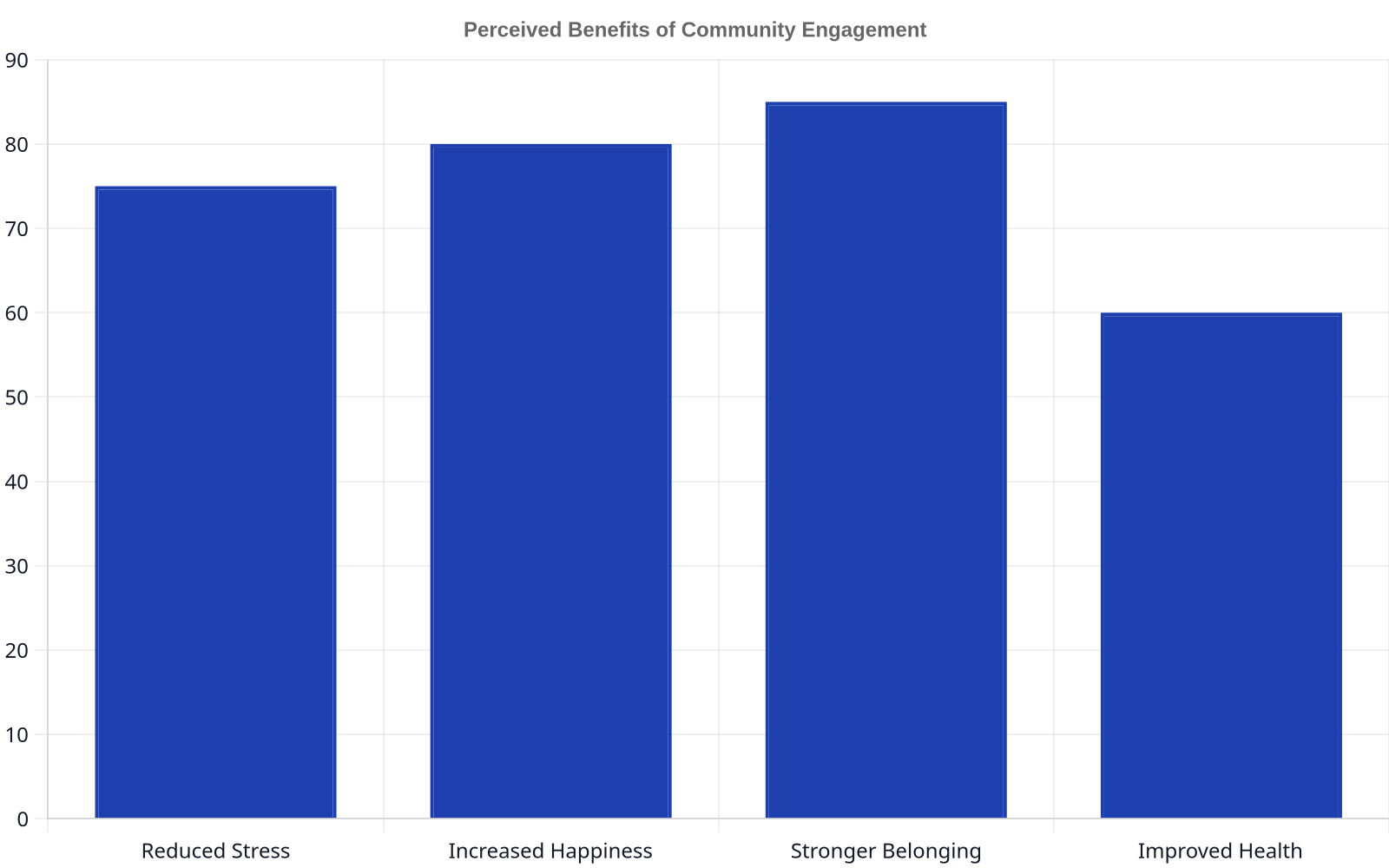
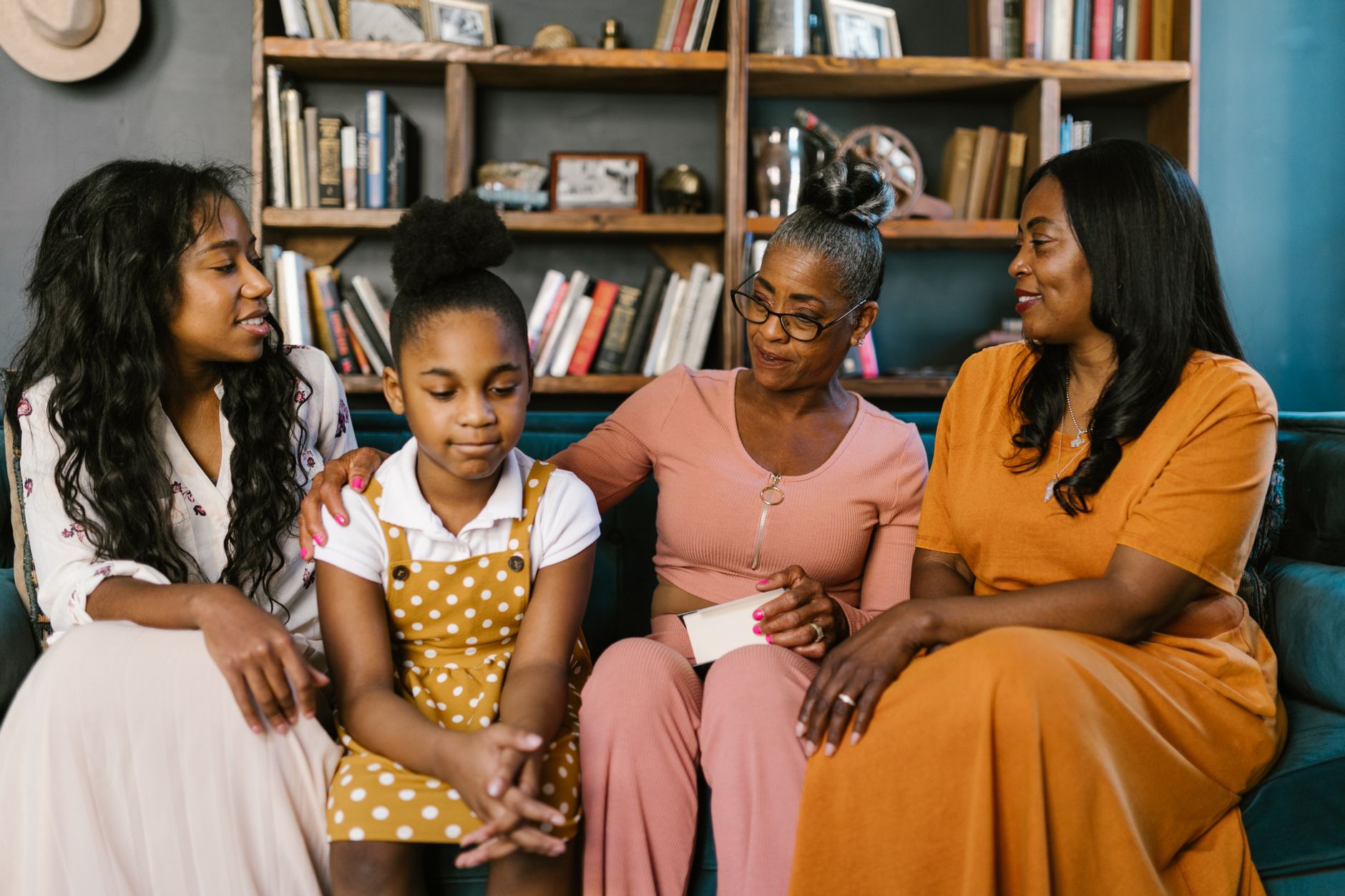
We often mistake proximity for community. We live in the same city, work in the same office, or have kids in the same school, so we assume we’re connected. But true community is an energetic bond forged in shared moments. It’s the feeling of psychological safety that allows you to exhale fully, to be imperfect, and to be held without judgment. It’s less about having things in common and more about creating common ground through experience.
Why We Crave Belonging
The need for belonging is wired into our nervous systems. From an evolutionary perspective, being part of a group meant survival. Isolation signaled danger. That ancient wiring is still with us. Of Psychology Highlights how social connection is a fundamental human need, essential for both mental and physical health. When we feel disconnected, our bodies can register it as a real threat, leading to chronic stress and inflammation. Community isn’t a luxury; it’s a biological imperative. It’s the feeling that tells our nervous system, You are safe here. You can rest.
The Role of Shared Experiences
Shared experiences are the threads that weave individuals into a communal tapestry. It’s the difference between knowing of someone and knowing them. Whether it’s breathing together in a yoga class, learning a new skill in a workshop, or sharing a meal, these moments create a resonant field. We move from individual “I” to collective “we.” This is precisely why we center community gatherings and healing practices at Asha's Place here in Lisbon. It’s in the shared silence of a sound bath or the collective movement of a dance class that the walls come down and real connection begins.
The Neurological Magic of Shared Moments
When we participate in an activity with others, something fascinating happens in our brains. Our neural patterns can begin to synchronize. This phenomenon, known as "brain-to-brain coupling," helps explain why group activities can feel so powerful. It’s the science behind the feeling of being "on the same wavelength."
Brain-to-Brain Coupling: The Science of "Vibes"
Researchers have observed this synchronization during activities like storytelling, making music together, and even just having a deep conversation. A study from Princeton University showed that as one person tells a story, the listener’s brain activity begins to mirror the speaker’s. This neural mirroring is a foundation for empathy and understanding. You’re not just hearing their words; on a neurological level, you’re co-experiencing their reality. These shared brain states are the invisible architecture of strong social bonds.
From Oxytocin to Endorphins: The Chemistry of Connection
Shared experiences also trigger a cascade of neurochemicals that reinforce bonding. Physical touch, eye contact, and collective movement can all release oxytocin, often called the "love hormone" or "bonding hormone." It fosters feelings of trust, generosity, and attachment. Group exercise or laughter releases endorphins, the body’s natural opiates, creating a sense of euphoria and well-being that we then associate with the people we’re with. These are not just fleeting feelings; they are chemical signals telling our bodies that these connections are good for us.
Creating Psychological Safety
Perhaps the most profound outcome of these shared moments is the creation of psychological safety. It’s the shared understanding that you can be vulnerable without fear of negative consequences. In a world that often demands performance and perfection, a space where you can be messy, uncertain, and fully human is incredibly healing. It’s in these spaces that we can stop performing and start belonging. The quote, "It only takes one shared experience to open the doors to friendship and understanding," perfectly captures this. It’s the doorway to trust.
Strategies for Building Community Through Shared Experiences
Knowing that shared experiences are vital is one thing; creating them is another. The key is intention. It’s not about forcing fun or mandating connection. It’s about creating invitations and holding space for organic connection to unfold. The goal isn’t to create a group of friends; the goal is to create a sense of belonging that allows friendships to emerge naturally.
1. Establish a Gentle Rhythm
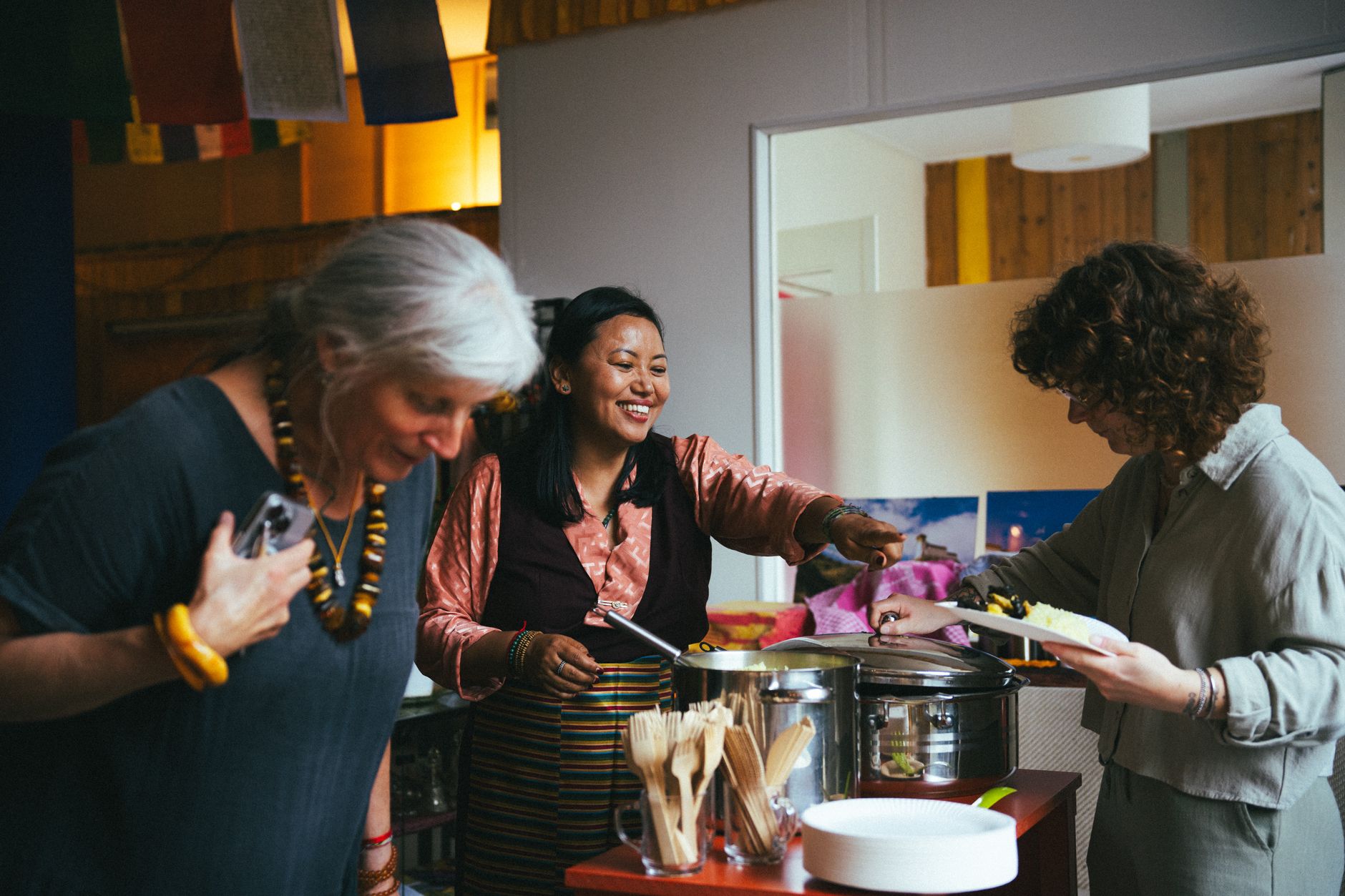
Consistency is more important than intensity. At our studio, we’ve found that a steady weekly rhythm of classes and gatherings allows connection to build over time. People know they have a place to return to, a touchpoint in their week where they can reconnect with themselves and others. This could be a weekly walking group, a monthly book club, or a regular potluck dinner. The predictability creates a container of safety and reliability.
2. Focus on Embodied Practices
So much of our modern life is lived in our heads. To truly connect, we have to get back into our bodies. Shared experiences that involve the body (like dance, yoga, cooking, or even gardening) bypass the analytical mind and tap into a more primal form of communication. Our movement classes are a perfect example. You don’t need to talk to feel connected to the person breathing and stretching on the mat next to you. You are sharing a physical, energetic experience.
Many of the women I work with are exhausted from performing. They’ve done everything “right” and still feel disconnected. A shared experience isn’t another task to complete; it’s a space to simply be, and to be seen in your being.
3. Embrace Co-Creation and Ritual
Community is strongest when it’s built with people, not for them. Invite members to co-create the experience. This could mean taking turns leading a discussion, choosing the next activity, or contributing to a shared meal. Rituals, even simple ones, are powerful anchors. Starting a gathering by lighting a candle and having everyone share an intention, or ending with a moment of shared gratitude, elevates a simple get-together into something more meaningful and bonding.
4. Prioritize Inclusivity and Accessibility
True community leaves no one behind. When planning shared experiences, it’s crucial to consider the diverse needs of your group. Are there physical accessibility challenges? Can you offer sliding-scale pricing? Is the language and imagery you use welcoming to people from different cultural backgrounds? A 2023emphasizes the role of digital platforms in making communities more accessible, especially for those with disabilities or geographic limitations. Building an inclusive space requires conscious, ongoing effort to ensure everyone feels they have a place.
From a Moment to a Movement: Sustaining Community
Creating a spark of connection is one thing; fanning it into a sustainable flame is the real work. The long-term impact of community depends on moving beyond one-off events to creating an ongoing culture of connection. This requires structure, leadership, and a shared sense of purpose.
Common Challenges (and How to Navigate Them)
Building community isn’t always easy. People are busy, conflicts arise, and energy can wane. One common pitfall is forced participation, where activities feel like another obligation. The key is to make it an invitation, not a mandate. Another challenge is exclusivity, where a core group becomes so tight-knit that it feels unwelcoming to newcomers. Overcome this by creating specific "on-ramps" for new members and by having facilitators who are skilled at integrating new people into the group dynamic.
Measuring What Matters
How do you know if your community-building efforts are working? While you can use surveys to track metrics like engagement and satisfaction, the most meaningful measures are often qualitative. Are people lingering after the event is over? Are they initiating connections outside of the structured gatherings? Are they talking about feeling more supported, less isolated, and more connected to their own joy? These stories are the real data. As we see in fields from education to urban planning, the strength of a community is a powerful predictor of collective success and individual resilience.
You're not broken, you're disconnected. Community is the remedy. It’s the process of remembering that you belong, not because of what you do, but because of who you are.
The Role of Technology
In 2026, as hybrid and remote connection remain a significant part of our lives, technology is an essential tool. But it should be a bridge, not a destination. Digital platforms can facilitate connection across distances, making community accessible to those who can’t be physically present. We can use them to share resources, continue conversations started in person, and maintain a sense of connection between gatherings. However, the goal should always be to use technology to deepen, not replace, the embodied, human-to-human experiences that are the true heart of community.
A Comparison of Community-Building Approaches
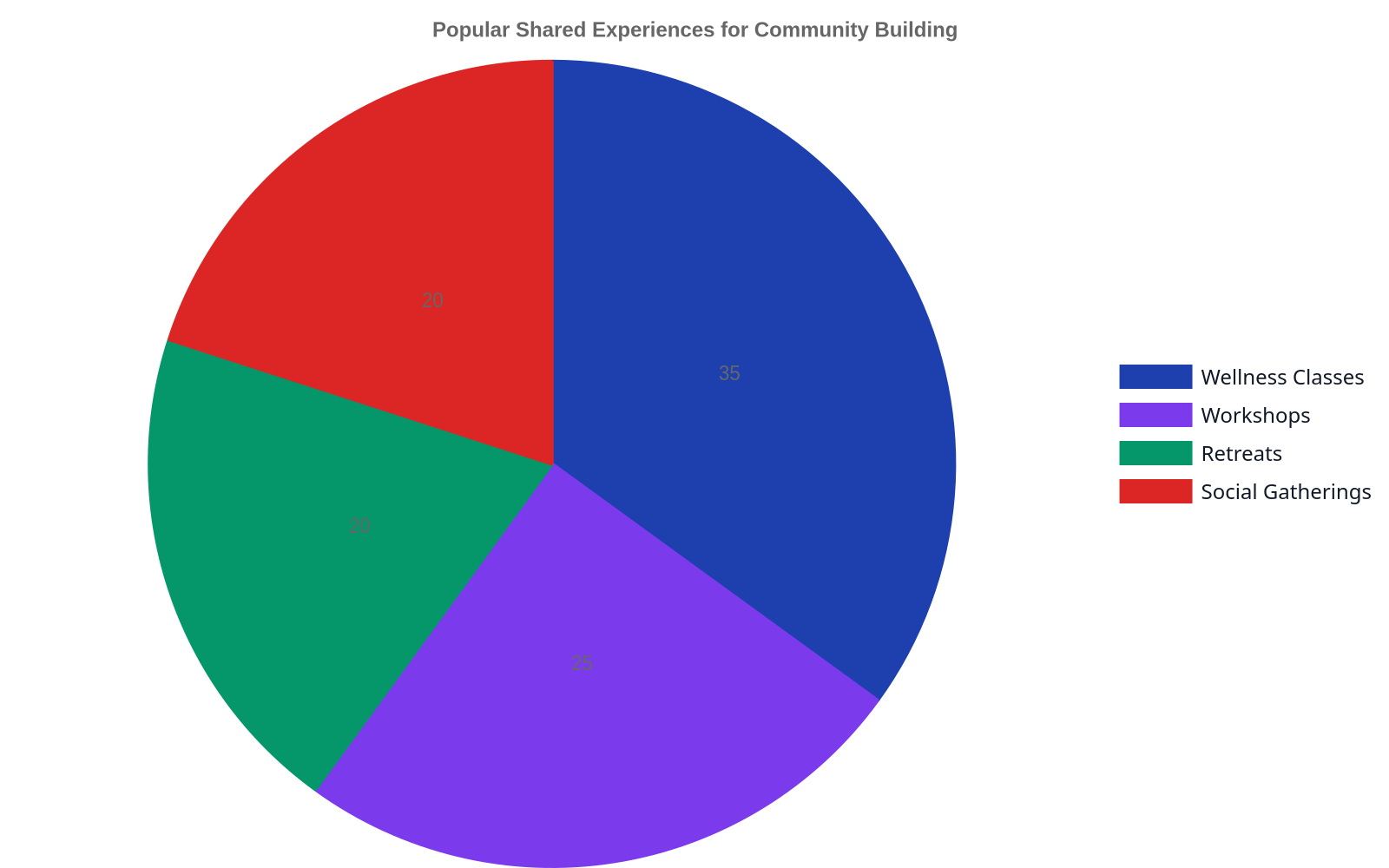
Not all shared experiences are created equal. Different formats serve different purposes. Here’s a look at how some common approaches compare:
| Approach | Primary Goal | Best For | Potential Pitfall |
|---|---|---|---|
| Workshops & Classes | Skill-building, shared learning | Individuals looking to learn something new in a group setting. | Can feel transactional if not intentionally facilitated for connection. |
| Social Gatherings (e.g., Potlucks) | Informal connection, conversation | Building rapport and casual friendships in a low-pressure environment. | Can be difficult for introverts or newcomers to break into conversations. |
| Healing Circles & Ceremonies | Deep connection, vulnerability, shared intention | Creating a space for emotional safety and profound personal sharing. | Requires skilled facilitation to hold space for deep emotions. |
| Volunteer Projects | Shared purpose, collective action | Building bonds through working toward a common goal. | The focus on the task can sometimes overshadow interpersonal connection. |
| Retreats & Immersions | Concentrated connection, deep rest | Creating a transformative experience away from daily life. | Can be a significant time and financial commitment, limiting accessibility. |
Further reading
- Marketing Strategies for Manufacturers: How Building ...
- Building Anticipatory Capacity with Strategic Foresight in ...
- 3 states in the Deep South are collaborating to advance ...
- Community schools in Idaho are bolstered by statewide ...
- Creating a shared vision of rural resilience through ...
FAQ
What is the core definition of community building?
Community building is the intentional practice of bringing people together to foster connection, trust, and a sense of belonging. It goes beyond simply gathering people in one place; it involves creating shared experiences and safe environments where individuals can form meaningful relationships and feel part of a greater whole.
How do shared experiences foster psychological safety?
Shared experiences build psychological safety by creating a foundation of mutual understanding and empathy. When we navigate a challenge, learn a skill, or simply share a moment of joy or quiet reflection with others, we build a non-verbal understanding. This process, supported by neurochemical responses like oxytocin release, lowers our social defenses and signals to our nervous system that it is safe to be authentic and vulnerable with this group of people.
What are some simple shared experiences for a new group?
For a new group, start with low-pressure activities that don’t require deep vulnerability. A nature walk, a simple craft workshop (like pottery or painting), a cooking class, or attending a local cultural event together are excellent options. The shared focus is on the activity itself, which allows conversations and connections to happen more organically without the pressure of direct one-on-one interaction.
How can you build community in a remote or hybrid setting?
In a remote setting, be intentional about creating experiences that are not purely work-focused. This could include virtual "co-working" sessions with cameras on, online game sessions, or a virtual book club. A powerful tool is sending physical kits for a shared activity, like a coffee tasting or a terrarium-building workshop, so that everyone is having the same tactile experience even if they are in different locations.
What is the biggest challenge in building community?
One of the biggest challenges is overcoming the initial inertia and awkwardness. In a world where we are often isolated, reaching out and being in a group can feel vulnerable. Creating a welcoming, non-judgmental, and well-facilitated environment is key. The role of the host or facilitator is crucial in setting the tone, gently guiding interactions, and making sure everyone, especially newcomers, feels seen and included.
Building a community is not about adding another "to-do" to your already overflowing plate. It’s about creating space. It’s about remembering how to be with one another in a way that is gentle, unhurried, and real. Whether it’s in our studio in Lisbon, Portugal, or in a quiet corner of your own neighborhood, the practice is the same. It is the courageous and beautiful act of creating the spaces where we can all come home to ourselves.