Most people think mindfulness is about sitting silently on a cushion, emptying your mind of all thoughts. It's not. That’s a misconception that makes the practice feel impossible and inaccessible, especially for high-achieving women who are already juggling a thousand things. The real benefits of daily mindfulness practices come not from emptying the mind, but from learning to observe it without judgment. It's about creating a small pocket of space to simply be, allowing you to notice your thoughts and feelings without getting swept away by them.
This isn't another thing to add to your to-do list; it's a way to come home to yourself. It's about learning the language of your own body and energy, so you can stop running on autopilot and start making choices that truly support you. Over time, this practice of returning to yourself, even for just a few minutes a day, can fundamentally shift how you experience stress, find joy, and navigate your life with a deeper sense of trust in your own wisdom. It’s not about adding more, but creating space.
Our Methodology
To identify the most tangible benefits of daily mindfulness practices, I drew from my experience as a healing guide, my work with women in our Lisbon studio, and established research from the fields of neuroscience and psychology. The practices listed below are not ranked by importance, because the most powerful benefit is always the one that resonates most deeply with you. Instead, they are presented as different doorways into the same room: the room of self-awareness and reconnection. I’ve selected these specific benefits based on what I’ve seen create the most significant shifts for the high-achieving women I work with, who often arrive feeling disconnected and burned out despite their external success. Each point is grounded in real-world application, focusing on how these practices show up in your life, not just on the meditation cushion.
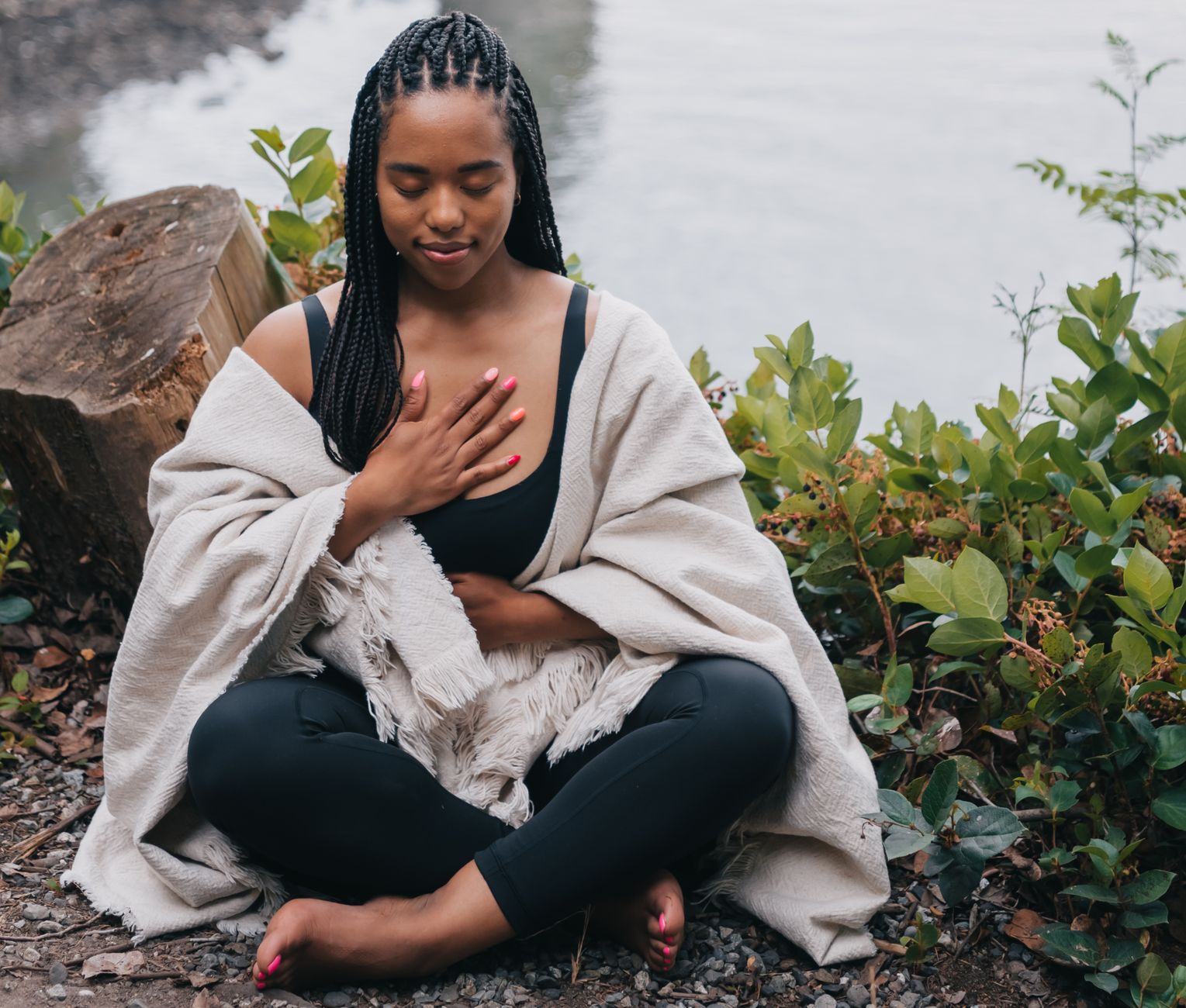
1. Reduces Stress and Regulates the Nervous System
This is often the first and most noticeable benefit people report. When you’re constantly operating in high-stress mode, your sympathetic nervous system (the “fight-or-flight” response) is on overdrive. A daily mindfulness practice acts as a gentle brake. It helps activate the parasympathetic nervous system, also known as the “rest-and-digest” state. This isn’t a theoretical concept; it’s a biological shift. You can feel your heart rate slow, your breathing deepen, and your muscles unclench.
I’ve seen this firsthand with clients who come to me after years in high-pressure careers. They describe a constant, low-grade hum of anxiety they’ve learned to live with. Through practices like a simple body scan or guided breathwork, they learn to consciously switch off that alarm. A study published in the journal Psychoneuroendocrinology confirmed that even brief mindfulness training can measurably reduce cortisol, the primary stress hormone. It’s a powerful reminder that you have the ability to regulate your own internal state, a tool that’s especially crucial when external pressures feel overwhelming. It's not about eliminating stress, but changing your relationship to it.
- Best for: Anyone who feels constantly “on,” wired, or unable to relax even during downtime.
2. Improves Focus and Attention
In a world of endless notifications and distractions, our attention is constantly being pulled in a million directions. Mindfulness is like taking your brain to the gym. Every time you notice your mind has wandered and you gently guide it back to your point of focus (like your breath), you are strengthening your attentional muscles. It’s a workout for the prefrontal cortex, the part of your brain responsible for concentration and decision-making.
This isn't just about being better at your job, although that’s often a side effect. It’s about being more present in your own life. It means having a conversation with a loved one and actually hearing what they’re saying, instead of mentally running through your grocery list. A mindfulness meditation was effective in improving attention. The ability to place your focus where you want it is a form of power. It’s the difference between being a passenger in your own life and taking the driver’s seat. It allows you to choose what you give your energy to.
- Best for: Individuals who struggle with distraction, procrastination, or feeling scattered.
- Watch out for: Don’t expect to have a completely silent mind. The goal isn't to stop thoughts, but to notice when you're thinking and redirect your focus. The “redirecting” is the actual practice.
3. Increases Emotional Awareness and Regulation
Many of us are taught to suppress or ignore our emotions, especially the “difficult” ones like anger, sadness, or fear. We numb them, we intellectualize them, or we push them down until they erupt. Mindfulness offers a different path. It creates a space to observe your emotions as they arise without immediately reacting to them. You learn to recognize, “Ah, there is anger,” instead of just becoming an angry person.
Healing isn't about adding more to your already overcrowded life; it's about creating space. It's about regulating your nervous system so your body feels safe enough to change.
This practice of non-judgmental observation is key. It allows you to get curious about your feelings instead of being controlled by them. You might notice where in your body you feel the anger, what thoughts are attached to it, and how it shifts over time. Research, including work highlighted by the American Psychological Association, shows that this increased awareness leads to better emotional regulation. You’re less likely to be hijacked by your feelings and more able to respond to situations with clarity and intention. For many women I work with, this is the doorway to trusting themselves again.
- Best for: People who feel overwhelmed by their emotions or, conversely, feel disconnected from them.
- Watch out for: Difficult emotions may surface. It’s important to have support and to approach the practice with self-compassion. If it feels too intense, it’s okay to stop and try again later.
4. Enhances Self-Compassion and Reduces Self-Criticism
For many high-achievers, the loudest voice in their head is a critical one. We push ourselves, we hold ourselves to impossible standards, and we beat ourselves up when we fall short. Mindfulness, particularly practices that explicitly focus on loving-kindness and compassion, can help turn down the volume on that inner critic. It teaches you to treat yourself with the same kindness and understanding you would offer a dear friend.
This is not about letting yourself off the hook; it's about recognizing your shared humanity. Kristin Neff, a leading researcher in this field, breaks down self-compassion into three components: self-kindness (being gentle with yourself), common humanity (recognizing that suffering is a shared human experience), and mindfulness (observing your negative feelings without judgment). By practicing this, you begin to uncouple your self-worth from your achievements. You learn that you are worthy of care and respect simply because you exist, not because of what you produce. This is a profound shift that can dismantle years of conditioning.
- Best for: Anyone who struggles with perfectionism, imposter syndrome, or a harsh inner critic.
- Watch out for: This can feel unnatural or even selfish at first, especially if you’re used to motivating yourself through criticism. Be patient and start small, perhaps with a single compassionate phrase.
5. Fosters a Deeper Connection to Your Body
So much of modern life is lived from the neck up. We are in our heads, thinking, planning, and worrying. We treat our bodies like vehicles to carry our brains around, often ignoring their signals until they scream at us in the form of illness or burnout. Mindfulness practices, especially somatic (body-based) ones like body scans or mindful movement, are a powerful way to come home to your body.
Your body already knows what's right for you. The practice just helps you learn how to listen to it again.
These practices invite you to inhabit your body fully, to notice the subtle sensations of breath, the feeling of your feet on the ground, or the tension in your shoulders. It’s a process of rediscovering the wisdom of the body. As you tune in, you start to notice the earlier, quieter signals: the first flicker of hunger, the initial wave of tiredness, the knot of anxiety forming in your stomach. This allows you to respond to your body’s needs in real time, rather than waiting for a crisis. It's about rebuilding a relationship of trust with your own physical self, which is the foundation for intuition and self-trust. At Asha's Place, we use gentle movement and other healing practices as doorways back into this essential conversation.
- Best for: Individuals who feel disconnected from their body, experience chronic pain, or live mostly in their heads.
- Watch out for: You may notice uncomfortable sensations or stored emotions. The key is to observe them with curiosity, not to judge or try to change them. Simply noticing is the work.
6. Cultivates a Sense of Belonging and Connection
While many mindfulness practices can be done alone, practicing within a community can amplify the benefits significantly. There is a unique power in sitting in a room with other people, breathing together in shared silence or moving through a gentle practice. It reminds you that you are not alone in your struggles or your desire to reconnect with yourself.
This shared experience builds a sense of belonging that is deeply nourishing to the human spirit. For many women of the diaspora, finding a space where they don't have to explain themselves, where their exhaustion is understood, is in itself a profound form of healing. Our community gatherings are designed with this in mind, creating a soft place to land and be held. This isn't just a feeling; it’s a co-regulation of nervous systems. Being in the presence of calm, grounded individuals can help your own nervous system settle. It creates a container of safety that makes deeper personal work possible.
- Best for: Anyone feeling isolated, seeking connection, or looking for a supportive environment to deepen their practice.
- Watch out for: Finding the right community is key. Look for a space that feels welcoming, non-judgmental, and led by a facilitator you trust.
Summary of Mindfulness Benefits
| Benefit | Best For | What to Watch For |
|---|---|---|
| Stress Reduction | Feeling constantly “on” or wired. | Initial increase in anxiety is common. Start small. |
| Improved Focus | Struggling with distraction or feeling scattered. | The goal is not a blank mind, but noticing and redirecting thoughts. |
| Emotional Regulation | Feeling overwhelmed by or disconnected from emotions. | Difficult emotions may surface. Practice self-compassion. |
| Self-Compassion | Perfectionism, imposter syndrome, harsh inner critic. | May feel unnatural at first. Be patient with the process. |
| Body Connection | Feeling disconnected from the body or living “in your head.” | Uncomfortable physical sensations may arise. Observe with curiosity. |
| Community & Belonging | Feelings of isolation or a desire for deeper connection. | The quality and safety of the community are paramount. |
FAQ
How long does it take to see the benefits of daily mindfulness practices?
The answer is different for everyone. Some people report feeling a greater sense of calm after their very first session. More significant, lasting changes, like improved emotional regulation and reduced self-criticism, typically develop over several weeks or months of consistent practice. The key is consistency, not duration. Five minutes every day is more effective than one hour once a week.
Do I need a special app or equipment to practice mindfulness?
No, you don't need anything special. Mindfulness can be practiced anywhere, at any time. All you need is your own breath and a willingness to pay attention. You can sit in a chair, lie down, or even practice while walking. While apps and guided meditations can be helpful for beginners, they are tools, not necessities. The most fundamental practice is simply pausing to notice your breath for a few moments.
What's the difference between mindfulness and meditation?
Mindfulness is the quality of being present and fully engaged with whatever you’re doing at the moment, free from distraction or judgment. Meditation is a formal practice you do to cultivate that quality of mindfulness. So, you might do a 10-minute sitting meditation to train your attention, so you can then be more mindful throughout the rest of your day, whether you're washing dishes or in a meeting.
Can mindfulness be practiced with physical movement?
Absolutely. Mindful movement is a powerful practice. This can include activities like yoga, tai chi, or even just walking. The intention is to bring your full attention to the physical sensations of your body as it moves. This is a wonderful option for people who find it difficult to sit still. It combines the benefits of physical activity with the mental training of mindfulness, helping you reconnect with your body's intelligence.
Is it normal for my mind to wander constantly during practice?
Yes, it is completely normal. In fact, it's the entire point. The practice is not about having an empty mind, which is impossible. The practice is the act of noticing that your mind has wandered and gently, without judgment, bringing it back to your point of focus (like your breath). Every time you do this, you are strengthening your muscle of attention. So, a wandering mind isn't a sign of failure; it's an opportunity to practice.
What if I feel worse when I try to be mindful?
This is not uncommon, especially for those with a history of trauma or high anxiety. When you slow down and tune in, you may become aware of difficult feelings or sensations that your usual busyness helps you avoid. If this happens, be gentle with yourself. You can shorten your practice, shift your focus to something external and neutral (like the sounds in the room), or try a more active practice like mindful walking. It's also important to seek support from a qualified guide or therapist who can help you navigate this experience safely.