Why Wellness Retreats for Black Women Aren't About Fixing You
Most wellness spaces weren't built for us. I know this because I've been in them. I did all the "right" things: the law degree, the tenured professorship, the Super Lawyer listings. And on the inside, I was a mess. A wellness retreat for Black women is a dedicated space created for us to exhale and come home to ourselves without explaining why we are exhausted. It is an intentional container for rest, reconnection, and remembrance, away from spaces where we've had to be twice as good to get half as far.
These retreats are not about becoming a new person. They are about returning to the person you've always been, buried under layers of expectation. They are specifically designed to address the unique pressures Black women face, offering practices like yoga, breathwork, and somatic healing in a context that honors our ancestral wisdom and lived experiences. It’s a space where your body can finally feel safe enough to heal, guided by practitioners who understand the assignment.
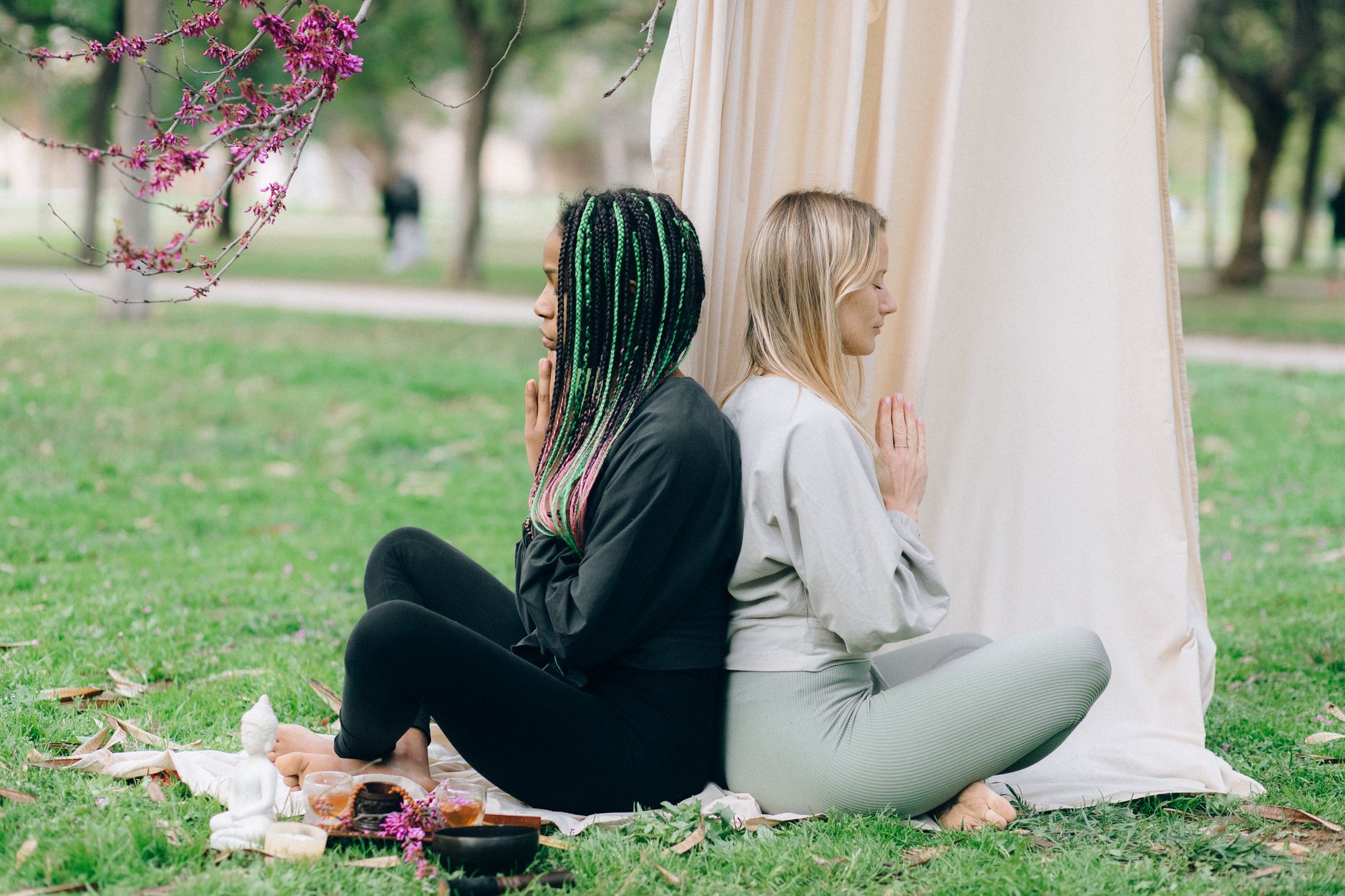
What happens at a wellness retreat?
Imagine a day that doesn't require you to perform. You wake up not to an alarm, but to the sun. The schedule is an invitation, not a demand. A typical day might start with gentle yoga or a silent walk, followed by a shared meal with foods that nourish and remind you of home. The afternoon could hold a breathwork session designed to regulate the nervous system, a Reiki attunement, or a somatic bodywork practice that helps you listen to the wisdom of your body.
For example, at Asha's Place Lisbon, a private solo retreat might be curated just for you. Your schedule could include a morning on the coast, an afternoon of energy work, and an evening to simply integrate in a beautiful, unhurried environment. There aren't key performance indicators here. The only goal is to create space for you to hear yourself again. This is a stark contrast to the estimated $450 billion wellness market which often pushes optimization over genuine rest. This is about creating a sanctuary, not another to-do list.
The remedy isn't more discipline; it's learning to trust yourself again and to let your body be your compass, not your enemy.
What a wellness retreat is not
It's crucial to understand what these retreats are not. They are not a boot camp for self-improvement or another place to hustle. Many mainstream wellness offerings are subtly designed around the idea that you are a problem to be fixed. They use words like "optimize" and "upgrade" and leave you feeling like you failed if you don't leave completely transformed.
A true wellness retreat for Black women isn't a distraction or a luxury vacation, either. While they are often held in beautiful locations, the focus is internal. A 2021 article from Healthline on "radical self-care" highlights the necessity of moving beyond surface-level acts. This is a deep, intentional pause, not just a break from work. It is also not group therapy, although the collective healing that happens in a space of shared identity can be profoundly therapeutic. The facilitators are guides, not therapists, creating opportunities for you to heal yourself.

When does a retreat make sense?
You don’t need to be at rock bottom to benefit, but these retreats are particularly potent when you feel a deep disconnect between the life you have and the life you want. If you've been running on empty, making decisions based on everyone else's needs, or you feel like you've lost the thread of your own desires, it's time.
As I learned myself, burnout for us can feel like a spiritual death. I had the accolades and the achievements, but I was spiritually and mentally exhausted. This work is for the woman who recognizes that the cost of her success has been her own well-being. It’s for the woman who is tired of performing and ready to stop carrying weight that was never hers. Details the disproportionate burdens Black women carry, making dedicated spaces for rest a necessity, not a luxury.
Your ancestors didn't sacrifice for you to be exhausted. They sacrificed so that you would be free.
These retreats are for you if you’re ready to stop seeking external validation and start listening to your own inner guidance. Whether you are coming from the US, the UK, or anywhere else in the diaspora, this is an invitation to come home to yourself. The experience is less about finding answers and more about creating the quiet to hear the ones you already hold.

FAQ
What if I've never done yoga or meditation before?
That is perfectly fine. These retreats are designed for all levels, especially beginners. The focus is on reconnection and rest, not performance or perfect poses. The practices are offered as invitations, and the instructors are there to provide gentle guidance in a judgment-free space.
How much does a wellness retreat for Black women cost?
The price varies widely based on location, duration, and inclusions. A weekend retreat in the U.S. Some facilitators offer payment plans or scholarships. Always check what’s included, such as meals, accommodation, and specific sessions.
Is it okay to go on a retreat by myself?
Absolutely. In fact, many women attend alone. It’s a powerful way to focus on your own experience without the social obligations of traveling with others. Many retreats, like the Solo Retreats we offer, are curated specifically for individuals seeking that deep, personal dive.
What makes a retreat specifically for Black women different?
These retreats are curated with an understanding of our specific cultural context and lived experiences. From the language used to the types of healing offered, everything is designed to create a sense of safety, belonging, and recognition that is often absent in mainstream wellness spaces. As a 2022 article in Essence magazine points out, these spaces are vital for addressing collective trauma and joy.
How do I choose the right retreat?
Look at the facilitator and their background. Read testimonials. Consider the schedule and the types of activities offered; does it feel restorative or packed? Ask yourself what you truly need right now. Is it structured learning, or is it unstructured rest? Trust your intuition, that feeling of recognition when you read about a program. That inner knowing is the compass you're trying to reconnect with.