A women's healing retreat in Europe is a dedicated space for rest and reconnection, different from a typical wellness vacation. Choosing the right one means looking past pretty pictures to evaluate the facilitator's training, the specific healing modalities offered (like somatic work, breathwork, or Reiki), and the retreat's core intention. It’s about finding a supportive container, especially for communities like Black women and women of the African diaspora, where you can come home to yourself, not be fixed by someone else.
I’ve seen too many women book what they thought was a healing retreat only to find themselves in a glorified yoga holiday, feeling pressured to perform relaxation. Real healing isn't another thing to achieve. It’s an un-doing. It's permission to stop, to feel, to be held in a space that understands your exhaustion is not a personal failure, but a systemic reality.
The Real Difference Between a Healing Retreat and a Wellness Vacation
Many places use the words “healing” and “wellness” interchangeably, but they are not the same thing. A wellness vacation is often about adding something: more yoga, healthier food, a new fitness routine. A healing retreat is about creating space to subtract: to let go of the tension, the expectations, and the roles you perform every day. The work is internal, and the environment is designed to support that close look.
It's About the Container, Not Just the Location
A beautiful villa in Tuscany or a beachside bungalow in the Algarve can be the setting for a retreat, but the location is not what makes it healing. The healing happens inside the “container” created by the facilitator and the group. This container is the energetic and emotional safety net. It’s built on clear boundaries, shared agreements, and the facilitator’s capacity to hold space for whatever comes up for participants, from grief to anger to profound joy. An Instagrammable location is a bonus; a skillfully held container is the entire point.
The Intention is Integration, Not Escape
The goal of a wellness vacation is often to escape from your life. The goal of a healing retreat is to return to your life, but as a more integrated, grounded version of yourself. The practices you learn and the insights you gain are meant to be woven back into your daily existence. A good facilitator will explicitly talk about integration and provide tools for managing the re-entry process, so the calm you find on retreat doesn't evaporate the moment you check your email.
Healing is the Work, Rest is the Goal
Sometimes, the process of healing is uncomfortable. It can involve confronting difficult emotions or deeply held patterns. A true healing retreat doesn’t promise bliss from start to finish. It promises a supportive environment where you can do this challenging work safely.
The rest you experience is deeper than a good night’s sleep. It’s a nervous system reset, a release of chronic stress that allows your body and mind to finally exhale. The feeling is not one of temporary escape, but of a genuine return to your own center.
What to Expect: The Rhythm and Reality of a Healing Space
If you've never been on a healing retreat, it can be hard to picture what the day-to-day looks like. It’s less about a packed itinerary and more about a gentle rhythm that allows your nervous system to down-regulate and your inner wisdom to surface. Expect structure, but a soft structure designed for connection, not productivity.
Daily Rhythms and Rituals
Days often begin with a quiet, contemplative practice like meditation, gentle movement, or journaling. Group sessions might follow, focused on a specific modality like breathwork or a guided discussion. Meals are often communal, a time for connection and nourishment.
Afternoons might include free time for rest, walking in nature, or private sessions. Evenings could involve a restorative practice like a sound bath or a sharing circle. The schedule is a framework, not a cage, with ample permission to opt out and listen to your body’s needs.
The Role of the Facilitator
A retreat facilitator is not an instructor or a tour guide. They are a guide and a space-holder. As a former tenured college professor and attorney, I know the difference between teaching a concept and creating an experience.
A facilitator’s job is to create the conditions for you to have your own experience, not to impose their own. They guide the practices, model vulnerability, maintain the safety of the group, and witness each person’s process without judgment. Their presence should feel both grounded and spacious, allowing you to trust the process.
The Power of a Women-Only Group
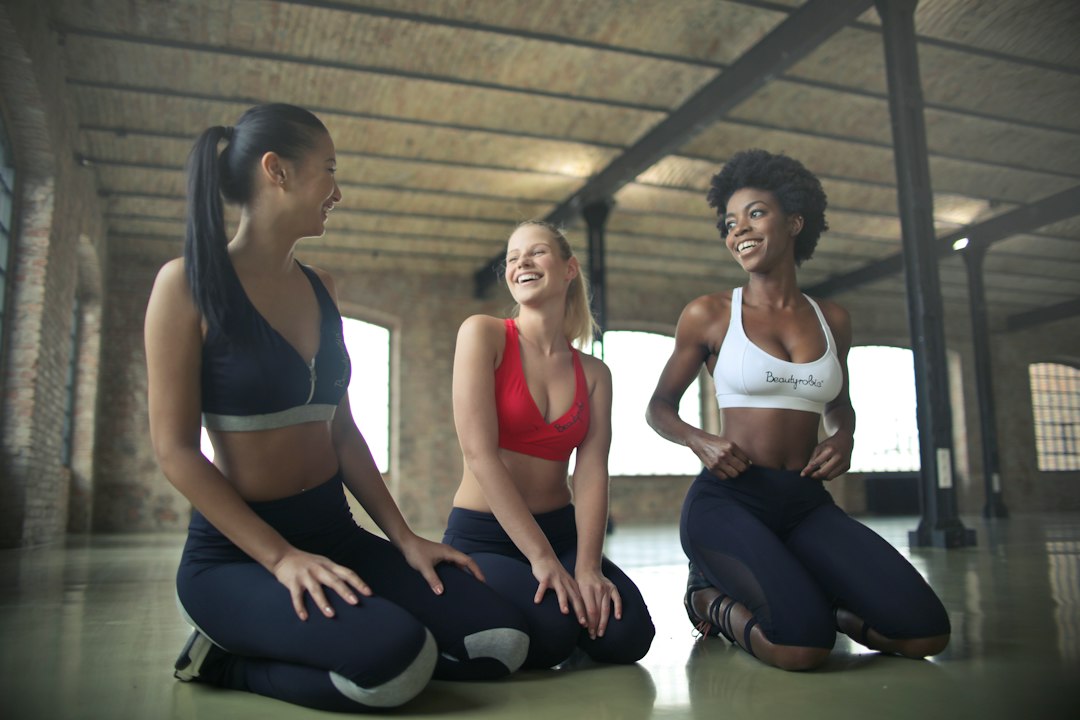
There is a unique power in a circle of women. For many, it's the first time they've been in a room where they don't have to explain or justify their feelings. Research consistently shows that gender-specific group work can build a powerful sense of connection and validation. The shared experience, the collective nods of recognition, the feeling of being seen by others who just Get itThis is a profound source of healing in itself. “Finally, a space where you don't have to be everything to everyone” is a sentiment I hear often.
The goal of a healing retreat is to return to your life, but as a more integrated, grounded version of yourself. The practices you learn are meant to be woven back into your daily existence.
A Deeper Look at Healing Modalities You'll Find in Europe
The term “healing” is broad. When evaluating a women's healing retreat in Europe, look for the specific modalities offered. These are the tools and practices the retreat will use to guide the experience. Different modalities resonate with different people, and a good retreat will be clear about its approach.
Somatic Practices: Reconnecting with the Body's Wisdom
Many of us live in our heads, disconnected from our bodies. Somatic practices are a doorway back to the body's intelligence. This can include Somatic Experiencing, a body-up approach to healing trauma developed by Dr. Peter Levine, which helps the nervous system release traumatic shock.
You might also find somatic bodywork, conscious dance, or trauma-informed yoga. These practices are not about forcing an emotional release but about creating safety for the body to process and complete what it has been holding. As an organization dedicated to this work, Somatic Experiencing International provides extensive resources on how this process works.
Energetic Work: Reiki, Sound Healing, and Breathwork
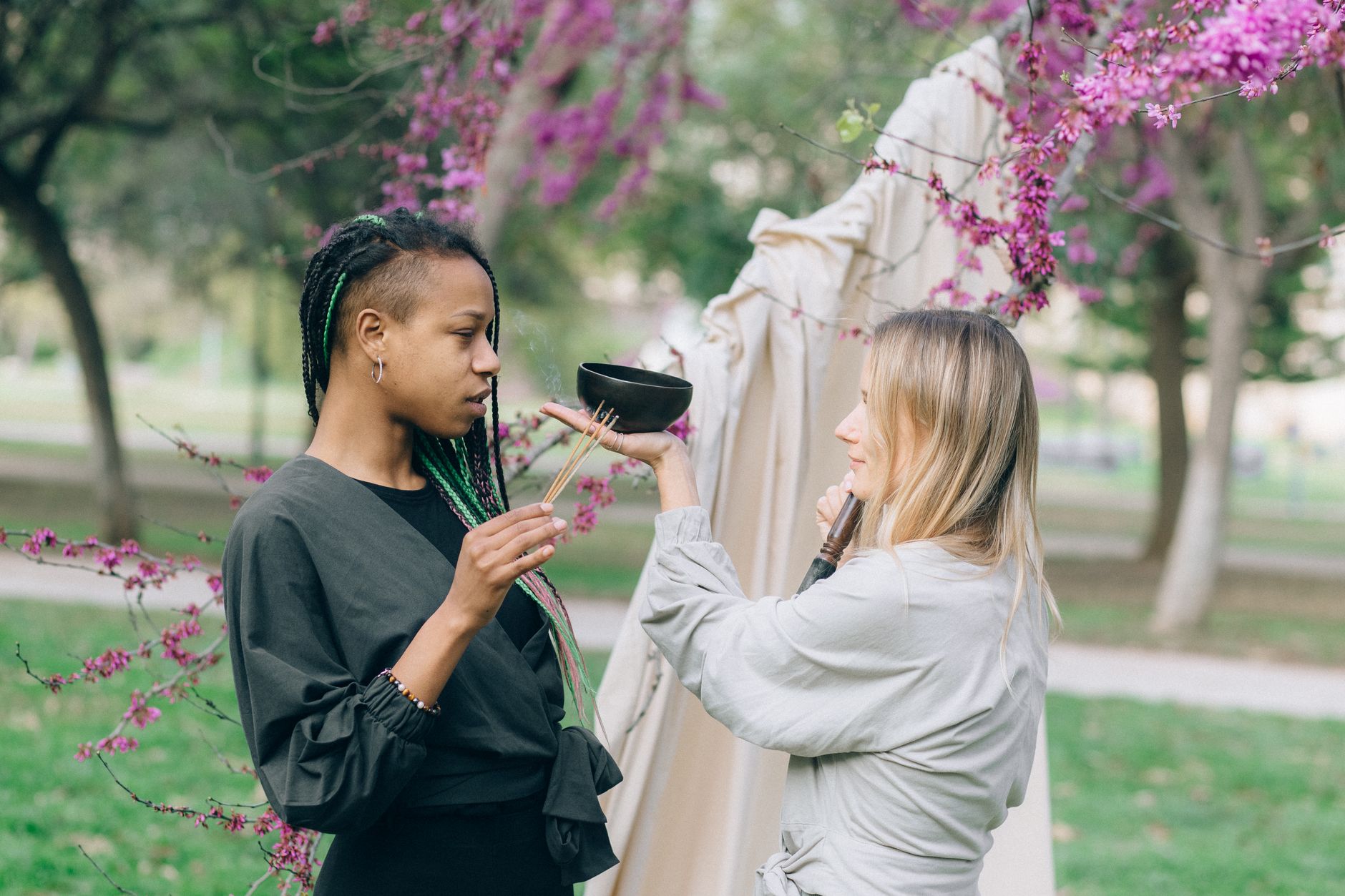
These modalities work with the body's subtle energy systems to promote balance and release blockages. Reiki is a gentle, hands-on technique that channels life-force energy to support the body’s own healing capacity. Sound healing uses instruments like crystal bowls, gongs, and drums to create vibrations that can shift your brainwave state and calm your nervous system. Breathwork involves consciously directing the breath to access different states of awareness, release stored emotions, and regulate the nervous system. The benefits of sound healing are profound for creating a sense of deep calm.
Ancestral and Spiritual Practices
For many, healing involves reconnecting with a sense of spirituality or ancestral lineage. This can take many forms, from guided meditations and ceremony to working with divination tools like tarot. Some retreats may incorporate elements of shamanic practice or circle work rooted in indigenous traditions. This is deeply personal work, and it’s important that it’s offered with integrity and respect for the traditions it comes from.
How to Choose Your Destination: Matching the Place to Your Purpose
Europe offers a vast and varied landscape for retreats. The environment can be a powerful amplifier for the inner work you are doing. Consider what kind of setting would feel most nourishing to you right now. Do you crave the warmth of the sun, the quiet of a forest, or the expansive energy of the mountains?
Southern Europe's Sun and Soul: Portugal, Spain, Italy
The sun-drenched countries of Southern Europe are popular for a reason. The climate itself feels restorative, and the culture often moves at a more unhurried pace. Portugal, particularly Lisbon and the Algarve, has become a hub for healing and creativity.
In Spain, you'll find everything from yoga-focused centers like Azulfit in Fuerteventura to silent meditation retreats in the countryside. Italy offers stunning backdrops in places like Tuscany and Umbria for retreats that often pair healing with culinary nourishment.
Northern Europe's Quiet and Contemplation: Ireland, UK, Scandinavia
For those who find clarity in cooler, quieter landscapes, Northern Europe offers a different kind of magic. The wild coasts of Ireland, the rolling hills of the English countryside, or the deep forests of Sweden can provide a powerful container for introspection. These retreats might focus more on mindfulness, meditation, and connection with nature through practices like forest bathing. The weather encourages turning inward, making it ideal for deep, contemplative work.
Mountain and Forest Sanctuaries: France, Switzerland
The majestic presence of mountains can be incredibly grounding and inspiring. In the French Alps, you can find retreat centers like AliKats in Morzine that combine wellness with the grandeur of mountain scenery, offering activities like hiking and meditation with panoramic views. The forests and mountains of Switzerland also host many centers dedicated to silence, meditation, and personal growth. These settings are perfect for those who feel a spiritual connection to the earth and want to feel both held and humbled by nature.
The Critical Questions to Ask Before You Book a Retreat
Once you've identified a few potential retreats, it's time to do your research. The marketing can be beautiful, but you need to look deeper to ensure it's the right fit. This is an investment in your well-being, and asking direct questions is part of the process.
Who is leading this work?
This is the most important question. Look beyond the charismatic photos. What is the facilitator’s training? Do they have specific certifications in the modalities they offer, especially for trauma-informed practices? What is their lived experience, and does it align with the community they claim to serve?
For example, if a retreat is for women of color, is it led by a woman of color who understands the nuances of that experience? Don't be shy about asking for their background and philosophy. A secure facilitator will welcome these questions.
What is the group size and philosophy?
The dynamic of a 6-person retreat is vastly different from a 30-person one. There is no right or wrong, but you should know what you are signing up for. Smaller groups often allow for more personal attention and deeper intimacy.
Larger groups can create a powerful collective energy. Read the retreat description carefully to understand its philosophy. Is it about deep emotional processing, skill-building, or quiet contemplation? Make sure the intention aligns with your own.
How is post-retreat integration supported?
The retreat is just the beginning. The real changes happen when you integrate the experience back into your life. Ask if the retreat includes any post-retreat support. This could be a follow-up group call, a private session with the facilitator, or a workbook with integration exercises.
A retreat that prioritizes integration shows a commitment to your lasting well-being, not just your experience while you are there. The lack of this support is often a red flag.
Why Specific Spaces for High-Achievers and Women of the Diaspora Matter
For high-achieving women from the African diaspora, a standard wellness holiday rarely offers relief. The exhaustion they carry runs deep. Women shoulder the daily burden of code-switching and being the only person of color in the room. They also face systemic barriers while people urge them to practice self-care. The World Health Organization classifies severe burnout as an occupational syndrome.
As a former attorney and professor, I know this exhaustion intimately. I built what looked like success. Yet that career nearly cost me my spirit.
Real recovery demands a setting where nobody expects you to explain your fatigue. Achievements should never become a shield that hides your pain. True rest cannot begin while you perform.
A retreat designed for Black women and women of the African diaspora builds immediate trust. Shared cultural background removes the exhausting gaze of others. You enter a room where you can be strong and soft at the same time.
Before you book an experience in Europe, evaluate the facilitator rather than the villa. A scenic pool cannot provide emotional safety if the leadership lacks cultural understanding. True vulnerability requires a circle that knows your story.
A healing retreat is never a simple holiday escape. It serves as a deliberate return to yourself among people who see you clearly. We curate our European retreats to give women that exact sanctuary.
The Practical Details: Budget, Duration, and Preparation
Once you’ve addressed the energetic and emotional fit of a retreat, it's time to consider the practical aspects. Clarity on these points will help you choose with confidence and arrive ready to receive.
Decoding Retreat Pricing: What's Included?
The cost of a women's healing retreat in Europe can vary widely, from a few hundred euros for a weekend to upwards of 5,000 EUR for a week-long, all-inclusive, highly-specialized experience. When comparing costs, look carefully at what’s included.
Does the price cover accommodation, all meals, all group sessions, and any private sessions? Are flights and transfers extra? Some lower-priced retreats may have hidden costs, while some higher-priced ones offer a level of depth, expertise, and support that justifies the investment. Choose what feels energetically and financially aligned for you right now.
How Long Do You Need? From Weekend Resets to Week-Long Immersions
The duration of your retreat should match your intention. A weekend retreat (2-3 nights) can be a powerful reset, a chance to disconnect from routine and reconnect with yourself. A longer retreat of 5-7 days allows for a much deeper process.
It takes a few days for the nervous system to settle and the mind to quiet down. The deeper work of unraveling old patterns often begins around day three or four. If you are navigating a major life transition, burnout, or grief, a longer immersion will likely be more supportive.
Packing for Your Inner and Outer Retreat
Besides the obvious clothes and toiletries, consider what will support your inner work. Comfortable clothing that you can move and relax in is a must. You might want to bring a special object for the altar (if there is one), a book of poetry, or your favorite tea.
Most pack a willingness to be present and an intention to be gentle with yourself. The most important preparation is mental: giving yourself permission to receive, to be messy, and to not have to be in charge.
After the Retreat: How to Integrate the Experience into Your Life
The glow of a retreat is beautiful, but it's fragile. The true measure of the experience is how it changes your life when you return. Integration is an active, conscious process of weaving your new awareness into your daily reality.
The Re-entry Challenge: Returning to Daily Life
Returning home can be jarring. The pace of life, the demands of work and family, and the energy of your environment will feel different. Be gentle with yourself. If possible, schedule a buffer day before you dive back into your full responsibilities. Expect to feel more sensitive.
The noise, the crowds, and the constant stimulation might feel overwhelming at first. This is normal. It's a sign that your nervous system has shifted to a more regulated state. A review of breath-body-mind practices shows how these can be simple, powerful tools to manage this re-entry stress.
Creating Sustainable Rituals
To keep the benefits of the retreat alive, you must build bridges between your retreat self and your everyday self. You don't need to replicate the entire retreat schedule. Choose one or two small, sustainable practices. Maybe it's five minutes of conscious breathing before you check your phone in the morning.
Perhaps it's a weekly cup of tea where you sit in silence and check in with your body. Or maybe it's committing to a local class that offers a similar energy. Consistency with a small practice is more powerful than sporadic, grand gestures.
Staying Connected to the Community
One of the most potent aspects of a retreat is the community. If you connected with other women in the group, find ways to stay in touch. A simple text chain or occasional video call can be a lifeline. Knowing there are others who understand your experience can make a world of difference when the challenges of daily life resurface. This network of support is part of the healing, and it can continue long after you've all gone home.
Choosing a healing retreat is an act of deep self-respect. It's a declaration that you are worthy of rest, care, and a space to remember who you are beneath all the roles you play. To continue exploring what this work looks like, you can see the different doorways we offer at our spiritual school in Lisbon.