How to Find the Best Diaspora Dinners in Lisbon
Finding authentic diaspora dinners in Lisbon is about seeking out the small, family-run tascas and cultural hubs where food is a form of belonging. These meals, rich with stories from Angola, Cape Verde, and Mozambique, are found in neighborhoods like Mouraria and Santos, offering a taste of home and community beyond the typical tourist trail. This isn't just about finding a meal; it's about reconnecting with a part of yourself. At Asha's Place, our own Diaspora Dinners are a central part of creating a space for healing and connection for the diaspora and all who honor it.
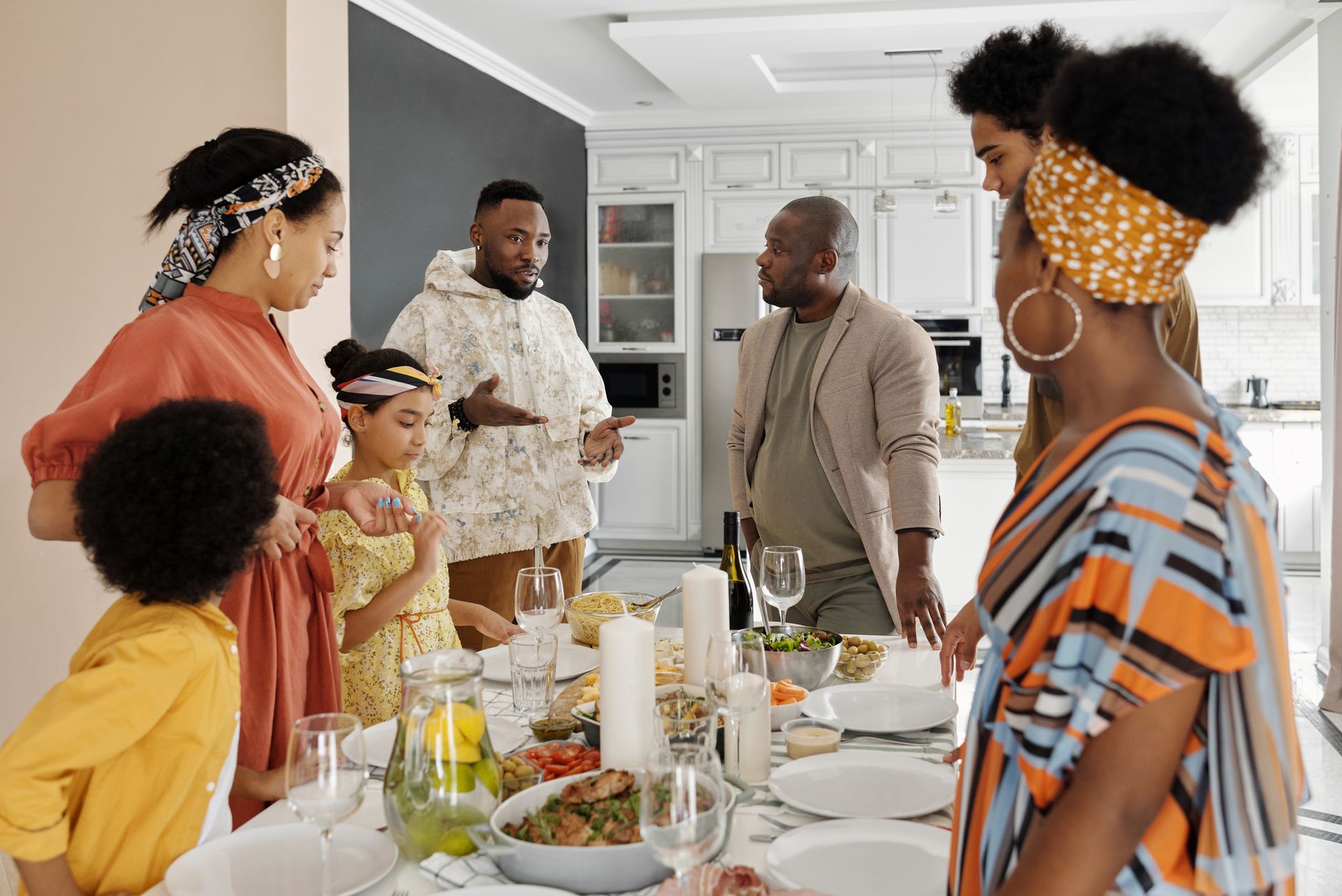
Why Lisbon's African Food Scene Is Different
Lisbon’s connection to African cuisine is not a recent trend; it's woven into the city’s very fabric. The history is complex, rooted in centuries of trade, colonization, and migration. Unlike in many other European capitals where “ethnic” food can feel siloed, here the relationship is more intimate and layered. Following the independence of African colonies in 1975, a wave of retornados (Portuguese citizens returning from Africa) and immigrants from Cape Verde, Angola, and Mozambique settled in Lisbon, bringing their culinary traditions with them. This history means the flavors aren't just imported; they are part of a shared, if painful, Portuguese-speaking world that continues to shape the city’s identity.
You feel this difference in the ingredients. You’ll find palm oil, cassava, and specific chilies not just in specialty shops but in local markets. The food here isn’t a performance for tourists. It’s daily life. It’s the scent of cachupa simmering for hours in a tiny kitchen in a residential neighborhood or the sound of Kizomba music spilling out of a restaurant in Cais do Sodré. This is food made with memory, for a community that understands its language.
Where to Find the Heart of Diaspora Dinners in Lisbon
Discovering the best diaspora dinners in Lisbon requires looking beyond the main drags and into the city’s multicultural pockets. Each neighborhood offers a different flavor and feeling.
Mouraria and Intendente
This is the historic heart of multicultural Lisbon. Its narrow, winding streets are home to a dense community of residents from across the globe. Here, you will find some of the city's most established African eateries, particularly those serving Mozambican cuisine. Restaurants like Cantinho do Aziz are local institutions, known for dishes like crab curry. The atmosphere is unpretentious and deeply communal. Dining here feels less like a transaction and more like being invited into the neighborhood's living room. It's lively, a bit chaotic, and completely genuine.
Santos, Cais do Sodré, and Bairro Alto
These adjacent neighborhoods offer a slightly more modern, often music-focused experience. Along the Tejo riverfront and into the hills, you’ll find Angolan and Senegalese restaurants where the meal is just the beginning of the evening. Establishments like Mambo are known as much for their music and dancing as for their food. This is where you come for a plate of mufete (grilled fish with beans and sweet potato) followed by a night of Kizomba or Afrobeat. Our own healing studio, Asha's Place, is located in Bairro Alto, and we are part of this vibrant energy, hosting our own gatherings that center healing, community, and culture.
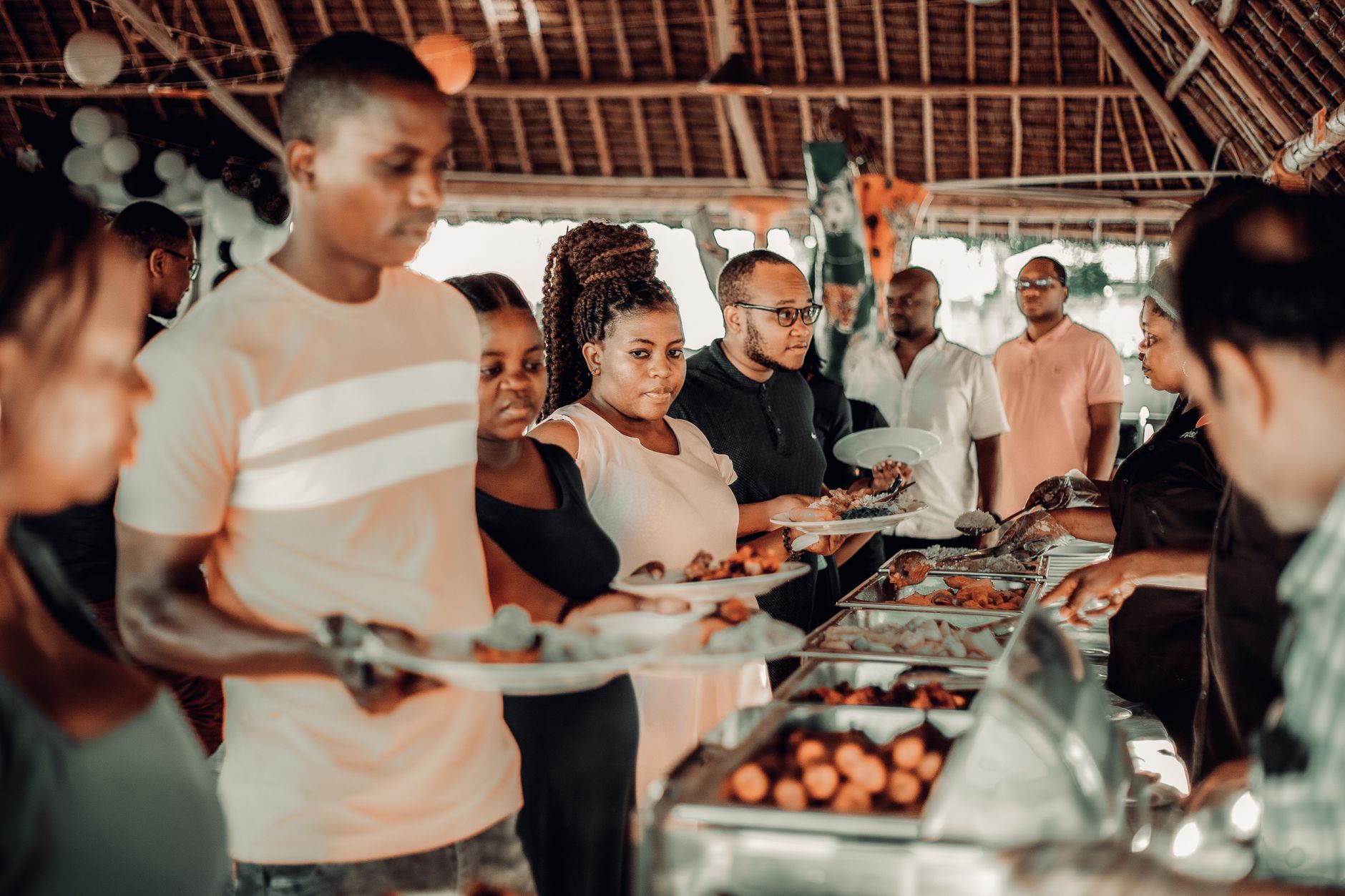
The Flavors of the Lusophone World: What to Eat
To eat this food is to taste history, resilience, and celebration. Each dish tells a story of a specific place and its people. While menus vary, a few key dishes act as cornerstones of the diaspora dining experience in Lisbon.
- Cachupa (Cape Verde): This is the national dish of Cape Verde and a true labor of love. It’s a slow-cooked stew of hominy corn, beans, vegetables, and seasoned meat or fish. There are two versions: cachupa rica (rich, with more meat) and cachupa pobre (poor, with fewer ingredients). Many consider it a symbol of the nation's identity, a dish that nourishes and unites.
- Muamba de Galinha (Angola): A rich, savory stew made with chicken, vegetables like okra and squash, and seasoned with palm oil and garlic. It’s a hearty, comforting dish that speaks of home and tradition, recognized as a true Angolan classic.
- Caril de Caranguejo (Mozambique): A creamy, fragrant crab curry made with coconut milk, peanuts, and spices. It reflects Mozambique's position on the Indian Ocean, showcasing the influence of spice trade routes. It’s a beautiful balance of sweet, savory, and spice.
Food is a doorway. A plate of cachupa doesn't just feed your body; it speaks a language of resilience and memory that your spirit understands.
More Than a Meal: Food as Connection
While restaurants are the most visible entry point, diaspora dinners in Lisbon extend into more private, communal spaces. This is where the experience moves from a simple meal to a genuine gathering. It’s in these moments that you find a true sense of belonging.
At Asha's Place, we host Diaspora Dinners as an intentional practice. These aren't restaurant services; they are curated gatherings designed to foster connection, especially for Black women and women of the African diaspora seeking a soft place to land in Lisbon. It's a space to share a meal, tell stories, and simply be, without the need to perform or explain. The food, often cooked by members of our community, becomes the centerpiece for reconnecting with ourselves and each other.
Beyond our doors, look for cultural associations and community groups. These organizations often host events, celebrations, and dinners that are open to the public but primarily serve their communities. This is where you’ll find the most authentic experiences, often with live music, dancing, and a powerful sense of shared identity. For those wanting an even more hands-on experience, some chefs and home cooks offer informal cooking workshops, a beautiful way to learn the stories behind the recipes.
You're not looking for a restaurant. You're looking for a living room where the stories are as nourishing as the food.
What Locals Know About Dining in Diaspora Kitchens
Finding your way into these spaces requires a slight shift in expectation from a typical dining experience. It's less about efficiency and more about human connection.
- Go with the Flow: Many of the best spots are small, family-run establishments. Opening hours can be more of a suggestion than a rule. Service is unhurried. The goal isn't to turn tables; it's to host you. Embrace the slower pace.
- Bring Cash: While card payments are becoming more common, many smaller places still prefer or only accept cash. It's always a good idea to have some euros on hand.
- Call Ahead for Groups: If you’re with more than two people, it's wise to call and make a reservation. These are often intimate spaces with limited seating. A quick phone call is always appreciated.
- Listen for the Music: If you hear Morna, Funaná, or Kizomba music coming from an unassuming doorway, you’re likely in the right place. Music is an essential ingredient in the diaspora dining experience, setting the tone for a night of community and celebration.
Further reading
Frequently Asked Questions
Are there many vegetarian or vegan options at African restaurants in Lisbon?
Yes, but you may need to ask specifically. Many stews and side dishes are naturally vegetable-based. Look for bean dishes, couscous, fried plantains (banana pão), and various rice preparations. Politely ask for a dish "sem carne e sem peixe" (without meat and fish). As awareness grows, more places are offering dedicated vegetarian plates.What is the average price for a diaspora dinner in Lisbon?
Prices are generally very reasonable, especially compared to tourist-focused restaurants in the city center. You can often have a hearty main course for €10-€15 at a casual, family-run spot. Places that feature live music or are in more central locations like Cais do Sodré might be slightly higher, in the €20-€25 range for a main.Do I need to speak Portuguese to order?
It is incredibly helpful, but not always essential. In neighborhoods like Mouraria and Bairro Alto, many restaurant owners and staff speak some English. However, learning a few basic phrases like "por favor" (please), "obrigada/o" (thank you), and the names of dishes will be warmly received and can greatly enhance your experience.Is it better to make a reservation or just walk in?
For smaller, popular spots, especially on a weekend, a reservation is a good idea. For a casual weekday lunch or dinner, you can often walk in. If you're a group of four or more, it is always best to call ahead to ensure they can accommodate you in their often-cozy spaces.What's the difference between a restaurant and a cultural association dinner?
A restaurant is a commercial business open to the public with set hours. A cultural association is a community organization that may host dinners as part of events or on specific days. These events are often less formal, may have a set menu, and are focused on bringing the community together. They can offer a deeper, more authentic cultural experience.These dinners are a doorway. They are an invitation to remember that feeling whole and held is our birthright. If you are ready to walk through and explore other ways to reconnect with your body and your power, we invite you to explore our offerings in Lisbon.