Chakra Balancing Sessions: Finding Your True Guide
Most people looking for energy work think they need to be fixed. They arrive feeling broken, exhausted, and disconnected, hoping a practitioner will have the magic key. But healing isn't something someone does to you; it's a condition created for you to reconnect with your own wisdom. The most effective chakra balancing sessions in Lisbon aren't about a guru fixing your energy. They are about finding a guide who creates a safe space for you to come home to yourself, listen to your body, and remember your own power.
Finding the right session in a city full of options, from weekend emotional healing retreats to one-off sound healing workshops, can feel overwhelming. The cost of choosing wrong isn’t just the price of the session. It’s the feeling of being misunderstood, of having your experience minimized, or walking away feeling even more disconnected than when you started. A session that doesn't honor your unique background and nervous system can do more harm than good, reinforcing the very patterns you’re trying to release.
What Actually Matters in a Healing Session
The glossy photos and poetic descriptions of retreats and workshops can be alluring. But the slickest marketing doesn't guarantee a genuinely supportive experience. After years of both seeking and facilitating healing work, I’ve learned to see past the surface. Here are the criteria that truly matter, ranked by importance, when you’re looking for a session that facilitates real reconnection, not just a temporary spiritual high.
1. The Practitioner’s Lineage and Training
Why it matters: Anyone can call themselves a healer. There is no universally recognized certification board for energy work. This makes the practitioner’s background the single most important factor. Their lineage isn't about gatekeeping; it's about understanding the tradition and ethics that inform their work. Did they learn from a recognized master? Have they completed extensive, long-term training, or did they just take a weekend online course? A practitioner’s training shapes their understanding of energy, ethics, and how to hold space for deep emotional release safely.
How to check it: Look for transparency. A credible practitioner will openly share who their teachers are, what traditions they practice, and the duration of their training on their website or in a consultation. Ask them directly: “Could you tell me about your training and the lineage you practice in?” Be wary of vague answers or claims of a “unique, self-taught” method without any grounding in established practices like Reiki, somatic bodywork, or traditional yoga. As a former attorney, I value rigor and structure, and I bring that to my own Intuitive Reading and Energy Healing Sessions.
What a good answer looks like: I completed my Reiki Master training with Lisa Powers, in the Usui lineage. It involved three levels of attunement and a one-year apprenticeship. I also have over 500 hours of training in somatic experiencing and trauma-informed yoga. This shows depth, commitment, and a grounding in established, ethical frameworks. In Health and Medicine Highlighted the growing body of evidence for the benefits of Reiki, emphasizing the importance of well-trained practitioners.
2. The Type of Modality Offered
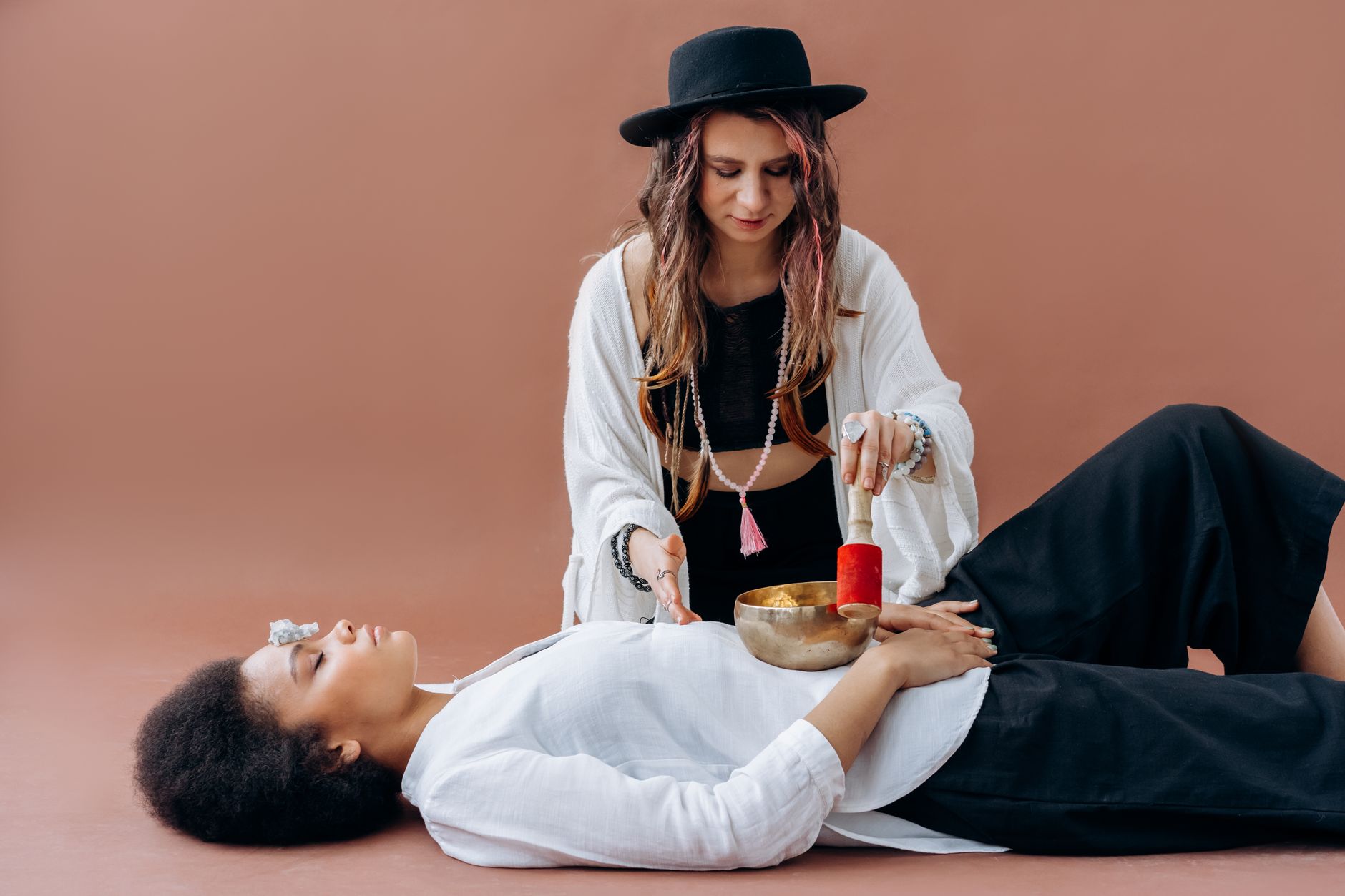
Why it matters: “Chakra balancing” is a general term. The actual work can involve many different techniques, each with a different feel and focus. You might find Reiki, a gentle, hands-on (or hands-off) Japanese technique for stress reduction and relaxation. You might find crystal healing, where stones are placed on the body’s energy centers. Or you might find sound healing, which uses gongs, bowls, or tuning forks to create vibrations that resonate with the chakras. Some sessions, like those at Hands On in Lisbon, focus on mind and soul workshops, blending various approaches. Knowing the modality helps you choose an experience that aligns with your comfort level and intentions.
How to check it: Read the session descriptions carefully. Do they clearly name the primary modality being used? If it’s a blend, do they explain what that entails? If you’re new to this, it might be helpful to research the specific techniques mentioned. For example, some people find the vibrations of a sound bath deeply relaxing, while others might find it overstimulating. Many find breathwork to be a powerful tool for emotional release, while others may prefer the quiet stillness of Reiki.
What a good answer looks like: A clear, jargon-free description. “This 90-minute session uses a combination of Usui Reiki and guided meditation to identify and gently clear energetic blockages. We will begin with a conversation about where you feel stuck, followed by 60 minutes of energy work on a massage table. You will remain fully clothed.”
Healing isn't about adding more to your already overcrowded life; it's about creating space. It's about regulating your nervous system so your body feels safe enough to change.
3. The Container: Private Session vs. Group Retreat
Why it matters: The environment in which you do this work is just as important as the work itself. Do you feel safer processing in a one-on-one setting, or do you draw strength from a community? A Private Session offers intimacy and a completely tailored experience. It’s a space to be fully seen and heard without any distractions. A group retreat, like some offered near Sintra or by organizers such as 4elements Retreat, can provide powerful collective energy and the realization that you aren’t alone in your feelings. Some popular options can last anywhere from 2 days to 10 days.
How to check it: Be honest with yourself about your needs. If you are working through deep-seated trauma or are new to emotional processing, a private session is often the best starting point. If you are looking for connection and a shared experience, a group setting might be perfect. Consider the size of the group. A small group of 6-8 people offers a very different experience than a large retreat with 40 or more participants.
What a good answer looks like: The offering should match your needs. For those seeking deep, personal work, I often recommend starting with private sessions or highly curated small-group experiences like our Solo Retreats, which are designed specifically for Black women and women of the African diaspora to feel held and understood in a space created just for them.
4. Energetic and Cultural Resonance
Why it matters (and why it’s often overlooked): This is the piece most people miss. You can find the most technically proficient practitioner in the world, but if you don’t feel a sense of safety and recognition with them, the work will only go so deep. This is especially true for women of color, members of the diaspora, and anyone who has felt marginalized in conventional wellness spaces. Does the practitioner understand your cultural context? Do they create a space where you don’t have to explain or justify your experience? Feeling seen is a prerequisite for healing. A review from one retreat attendee in Lisbon captures this perfectly: "Finally process what you've been carrying alone."
How to check it: This is about intuition. Read the practitioner’s writing. Look at their photos. Do you feel a pull? Does their language resonate with you? If you’re a person of color, do they explicitly welcome you, or better yet, have they created something specifically for you? Look at their testimonials. Do the people who have worked with them sound like you? A patient outcomes improve when providers understand their cultural background.
What a good answer looks like: It feels like coming home. The language they use makes you feel understood before you even book. For instance, at Asha's Place Lisbon, we are explicit that we are a space built for the diaspora to reconnect and belong, right here in Lisbon, Portugal. That isn't an afterthought; it is our entire reason for being.
5. Location and Setting
Why it matters: Your physical surroundings have a profound impact on your nervous system. A session in a loud, sterile, or cluttered room will feel very different from one in a quiet, beautiful, and intentionally designed space. Lisbon is a city known for its healing energy, with its beautiful light and proximity to the ocean. The right setting should leverage this, providing a sanctuary from the hustle of the city, even if it’s right in the center of Bairro Alto. The goal is to find a place where your body can unclench and feel safe enough to receive.
How to check it: Look at photos of the space. Is it clean, calm, and inviting? Read reviews and see if anyone mentions the atmosphere. Is it easy to get to? Is the neighborhood one where you will feel comfortable arriving and leaving? A simple detail, like the availability of herbal tea or a comfortable place to sit and integrate after the session, speaks volumes about the practitioner's care and attention.
What a good answer looks like: The space itself feels like part of the healing. It’s a place you want to be in, a soft place to land where every detail has been considered to support your well-being. According to research on environmental psychology, our physical environment significantly influences our emotions and stress levels.
The point isn't to find a perfect practitioner. The point is to find a human you can trust to hold a safe and loving space while you do the work of reconnecting with yourself.
Questions to Ask Before You Commit
Once you’ve narrowed down your options, it’s wise to have a brief consultation or email exchange. Here are some questions you can copy and paste to get the clarity you need:
- Can you tell me about your training and the lineage you practice in?
- What does a typical chakra balancing session with you look like?
- What specific modalities (Reiki, sound healing, etc.) do you use?
- How long are the sessions, and what is the cost?
- Is your space private and quiet?
- How do you prepare for a session with a new client?
- How do you support clients with integration after the session?
- What is your experience working with [mention anything specific to you, e.g., high-achievers, people of color, those new to energy work]?
- How many people are in your group sessions or retreats?
- What does “holding space” mean to you?
Red Flags to Watch For
Just as important as knowing what to look for is knowing what to avoid. Steer clear of any practitioner who:
- Makes grand promises: Phrases like “I will heal you,” or guarantees of a specific outcome are a major red flag. A true guide knows they are a facilitator, not the source of the healing.
- Creates dependency: Be wary of anyone who insists you need to see them multiple times a week or pressures you into expensive, long-term packages. The goal is to empower you, not make you dependent on them.
- Is vague about their training: If they can’t or won’t answer questions about their background, walk away.
- Bypasses emotional reality: Avoid anyone who promotes “love and light” to the exclusion of real, difficult emotions. True healing involves acknowledging and moving through the darkness, not pretending it doesn’t exist.
- Discounts the body: Most mindset work skips the body entirely. If the practitioner doesn’t have a framework for working with the nervous system and somatic (body-based) experience, the work will remain superficial.
A Simple Decision Framework
Feeling overwhelmed by the options? Use this to guide you.
- If your primary need is safety and processing deep personal issues: Weight Criterion 1 (Practitioner’s Training) and Criterion 4 (Energetic Resonance) the heaviest. Start with a private session.
- If you are feeling isolated and looking for connection: Weight Criterion 3 (The Container) and Criterion 4 (Energetic Resonance) the hardest. Look for a small, well-facilitated group retreat that explicitly states who it's for.
- If you are new to energy work and simply curious: Weight Criterion 2 (Modality) and Criterion 5 (Location/Setting). Try an introductory workshop in a modality that sounds appealing, like sound healing or group breathwork, in a beautiful space.
FAQ
What are chakras and why do they need balancing?
Chakras are considered to be energy centers within the body in many Eastern traditions, including certain forms of yoga and meditation. There are seven main chakras, each corresponding to different physical, emotional, and spiritual aspects of our being. When we experience stress, trauma, or illness, these energy centers can become blocked or imbalanced, leading to feelings of being “stuck,” anxious, or physically unwell. Chakra balancing is the practice of clearing these blockages to restore a natural flow of energy, promoting well-being and a sense of wholeness.
How will I feel after a chakra balancing session?
Responses vary widely from person to person. Many people report feeling deeply relaxed, calm, and grounded immediately after a session. Some feel energized and clear-headed. It’s also common to feel tired as your nervous system integrates the energetic shifts. Occasionally, a session can bring emotions to the surface, and you might feel tearful or sensitive in the hours or days following. This is a normal part of the release process. A good practitioner will prepare you for this and offer suggestions for self-care and integration.
How often should I get my chakras balanced?
There is no single answer to this. It depends entirely on what you are working through and your personal needs. Some people benefit from a few sessions in close succession to work through a specific issue. Others find that a session every 4-6 weeks works well for maintenance and energetic hygiene. Many people simply book a session when they feel called to, using it as a tool for a personal “tune-up.” A responsible practitioner will not push a rigid schedule on you.
What is the difference between Reiki and chakra balancing?
Reiki is a specific modality, while chakra balancing is the goal or outcome. A practitioner can use Reiki to balance a client's chakras. However, they can also use other methods like sound healing, crystals, or specific meditations to achieve the same goal. So, a Reiki session is often a form of chakra balancing, but not all chakra balancing sessions necessarily use Reiki.
Can chakra balancing be done remotely?
Yes. Because energy is not limited by physical distance, remote or distance healing is a common and effective practice. Many practitioners, including myself, offer Private Sessions online. The session works in much the same way as an in-person one: the practitioner connects with your energy field and facilitates the balancing process. Clients often create a comfortable, quiet space for themselves at home and find the experience to be just as powerful as an in-person session.