Therapy taught you to name the pattern. It didn't teach you what to do with a body that still flinches at your mother's voice on the phone. That gap is where most people land when they go looking for ancestral healing work, and it's worth being honest about before you book anything.
What ancestral healing retreats actually involve
A 2017 meta-analysis of retreat research found that meditation retreats produced moderate to large reductions in depression, anxiety, and stress across the studies it reviewed. That's not a small claim. Moderate to large effect sizes in mental health research are rare enough that they're worth sitting with.
What the same source describes is a structured getaway built around emotional, physical, or spiritual recovery, combining meditation, breathwork, movement, and time in nature, distinct from the sightseeing and indulgence of an ordinary vacation. The format ranges from silent, solo programs to group work built around shared ritual. What stays constant is intentional time away from daily obligations, time carved out to actually focus on recovery instead of squeezing it between meetings.
For many people, according to the same source, the retreat itself ends up mattering less than the permission it creates to finally slow down.
That permission piece matters more than it sounds. Ancestral work specifically asks something different from standard talk therapy. It's not just processing your own history. It's working with inherited patterns, the ones that didn't start with you and won't end with you unless something interrupts them. A single 50-minute session a week rarely gives that work enough room to move. A retreat format, with consecutive days and no commute home afterward, does.
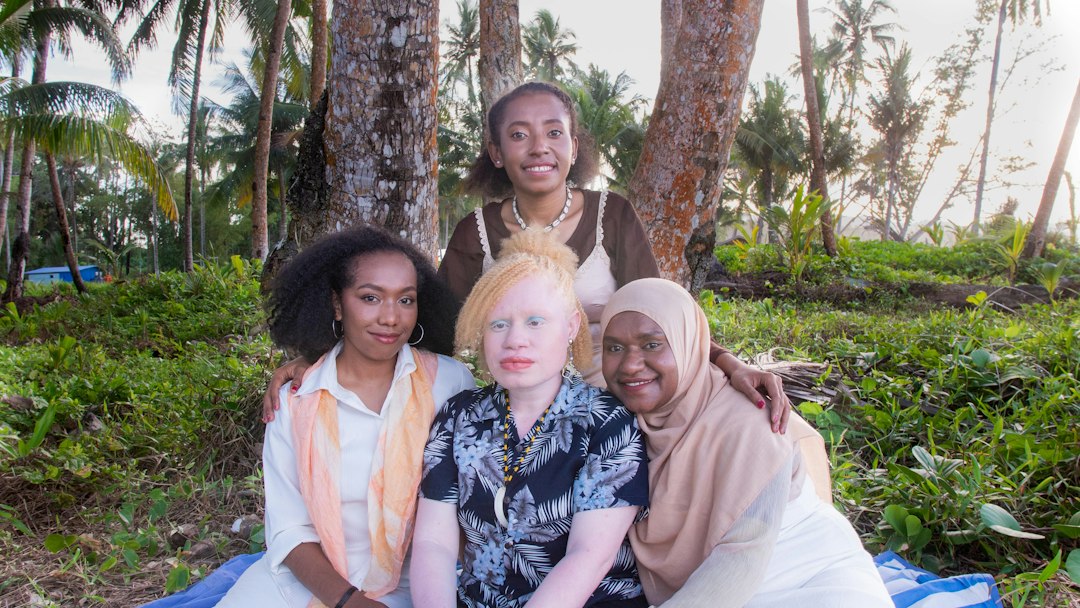
Set clear intentions through ancestral and elemental rituals
Confusion is the enemy of this work. One source on ancestral practice puts it plainly: rituals work when you go into them knowing exactly what you're asking for, because without that clarity there's confusion about what healing is even being requested from spirit. That's a real constraint, not a spiritual nicety. Vague intentions get vague results, or no result anyone can point to.
An ancestral altar is a physical space built during ritual, meant to receive direct guidance from lineage ancestors. A water ritual involves connecting through chants and songs, sometimes invoking Yemayaya specifically. New moon rituals work with the moon's position to draw forward what's being sought.
Some of this happens in community, some in solitude.
Name what you're asking for before you start.
A mistake worth avoiding: treating ritual as decoration on top of the real work. An altar isn't a visual, it's a structure for communication. Lighting a candle because it felt nice isn't the same practice as lighting one with a specific ancestor and a specific question in mind. The form matters less than the clarity behind it.This is also where people who've plateaued in conventional therapy tend to notice a difference. Talk therapy is built to process what happened to you. Ritual work, done with intention, is built to address what happened before you, the things that moved down a family line without anyone naming them. Neither replaces the other.
They're doing different jobs.
If you're new to any of this, don't start with the most elaborate ritual you can find online. Start with the question. What do you actually want to know or release? Write it down before you build anything.
Prepare before ceremony to protect what comes after
Committing to ceremonial work, especially intensive multi-session formats, is one of the heavier decisions a person makes. And if you're feeling called to this kind of work, it's often because something in your life is ready for real change. The ceremonies themselves can bring about significant shifts.
But here's the trade-off that source names clearly, and it's one worth taking seriously: the real work happens after you leave. The healing and energetic shifts from ceremony need proper integration afterward to hold. Preparation before the retreat makes that transition into post-retreat life easier. Skip the preparation, and you risk a powerful few days that fades fast once you're back answering emails and sitting across from the same family members who triggered the patterns in the first place.
This is the part people underestimate. The ceremony is dramatic. Integration is quiet, slow, and happens in ordinary rooms, not sacred ones. A woman who does intensive ancestral work over four days and then flies home to an unchanged schedule, unchanged relationships, and zero support structure is set up to lose most of what she gained within weeks.
What to check before committing to any intensive format: does the program build in time for integration, or does it end the moment the ceremony does? A retreat that sends you home the same afternoon a major ritual ends isn't malicious, but it's not structured with aftercare in mind either. Some retreats build unstructured time and nervous system regulation work directly into the schedule, specifically because the shift that happens in ceremony needs a slower landing, not an abrupt one. Asha's Place Lisbon's Held retreat is structured across four days for exactly this reason: rest, ancestral connection, nervous system regulation, and unstructured time to process what surfaces, rather than packing ceremony into a single intense session with no room to come back down.If a program doesn't mention integration at all in its materials, ask directly what happens after the last ceremony ends. The answer tells you a lot about whether the people running it understand what they're asking participants to go through.
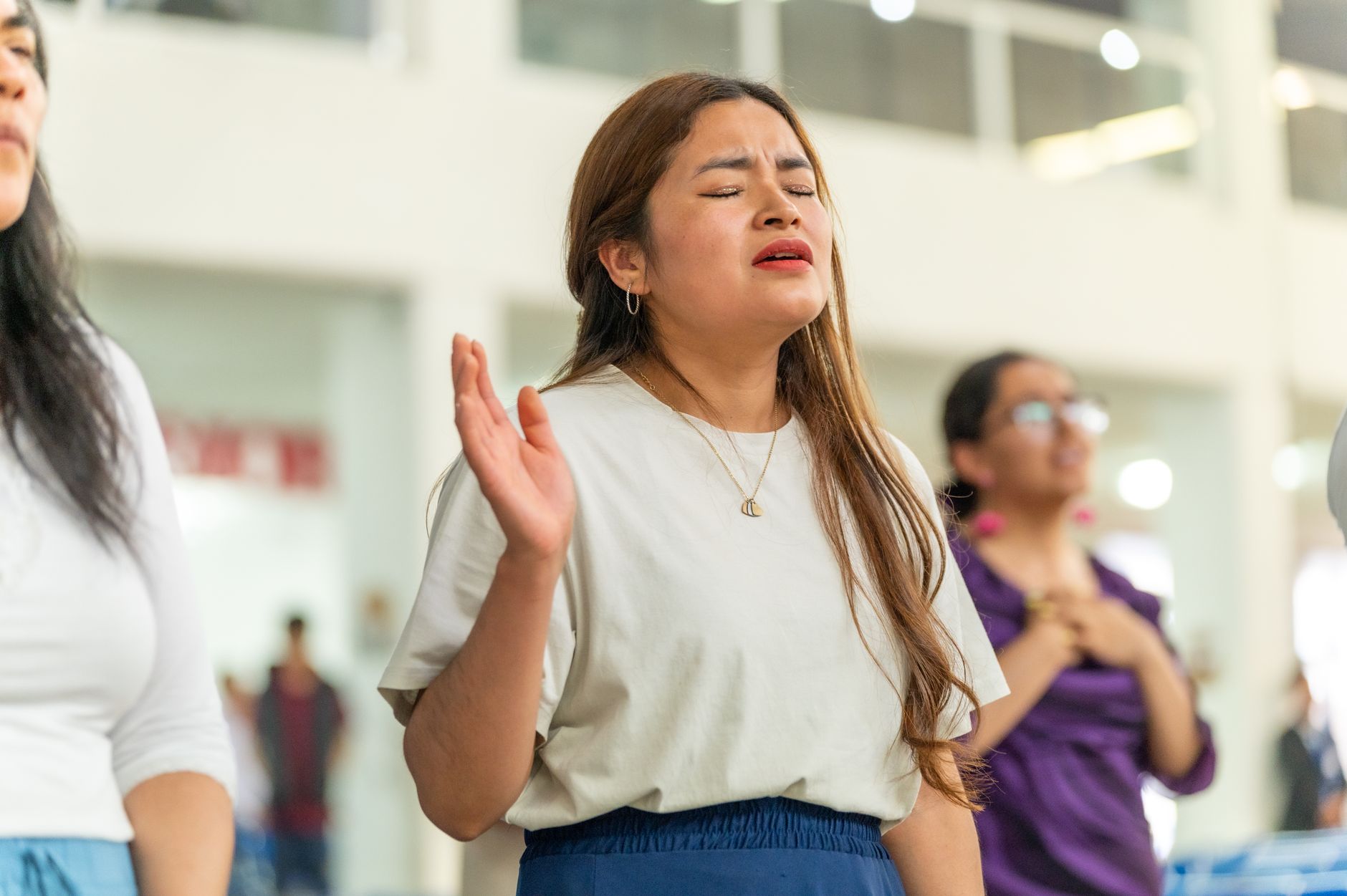
Choose venues built for immersion, not just scenery
A residential community gives you people. If part of what broke down in your family line was isolation, or the absence of elders who actually showed up, a place staffed by people who live there and show care daily might matter more than any single ritual on the schedule.
A nature-immersion venue gives you nervous system down-regulation through the environment itself. If your system is in a near-constant state of alert and you need your body to physically register safety before any deeper work can land, being surrounded by old trees and quiet does something a conference room with a sound machine cannot replicate.
One thing to check before booking either kind: ask what happens when you're not in a scheduled session. A community-model venue with no unstructured time wastes its own advantage. A nature-based venue that keeps you indoors most of the day wastes its setting. The venue type should actually shape the schedule, not just the brochure photos.Here's a short way to sort venues once you've narrowed a shortlist:
- Ask who leads the ancestral or ritual components specifically, not just the general wellness programming.
- Ask whether integration time is built into the schedule or ends when the retreat does.
- Ask whether the setting (nature, community, or both) is structural to the days, or just the backdrop.
- Ask what a typical unstructured hour looks like, since that's often where the real processing happens.
- Ask how group size is handled, since lineage work in a room of forty feels very different from a room of eight.
Frequently Asked Questions
Where can I find ancestral healing retreats specifically for lineage work?
Look for programs that name their ritual practices directly, rather than using "ancestral" as a general wellness label. Ask what a typical day includes, who leads ritual components, and whether integration time is built in after ceremony ends.
Is ancestral ritual work a replacement for therapy?
No, and treating it as one misses what each does well. Talk therapy processes what happened to you directly. Ritual and ancestral work addresses patterns that moved down a family line before you were part of the picture. People who've plateaued in conventional therapy often find ritual work opens a different door, but it works alongside therapeutic support, not instead of it.
How long should an ancestral retreat be to actually matter?
It depends on what you're trying to address and how much integration time the format builds in. A single day of ceremony with no aftercare leaves most of the real work undone, since the integration period after ceremony is where energetic shifts get anchored. Multi-day formats that include unstructured time and nervous system regulation, not just back-to-back ceremonies, give patterns more room to actually settle before you're back in daily life.
What should I do before attending any ceremonial or ritual retreat?
Get clear on your specific intention before you arrive, not after. Ritual work depends on clarity about what you're asking for, since confusion about the request leads to confusion about what healing is even being sought. Beyond that, ask the retreat directly what post-retreat support looks like, since the preparation and the integration matter as much as the ceremony itself.
If any of this is landing, you don't need to have it all figured out before reaching out. Come find out if it's the right doorway for you. Get in touch with us and let's talk about what you actually need right now.
About the author
Asha Wilkerson
The founder of Asha's Place Lisbon is a TAROT & ORACLE CARD READER, trained in BODYWORK & ENERGY HEALING and a STUDIO MANAGER.
Asha Wilkerson is a former practicing attorney and tenured college professor turned healing guide, breathwork facilitator, and retreat curator. She is the founder of Asha's Place Lisbon, a healing studio and community space serving the African diaspora through yoga, breathwork, Reiki, sound healing, and curated retreats. Drawing on her legal training, years in higher education, and ongoing study of somatic practice, Human Design, and ancestral healing traditions, Asha specializes in helping high-achieving Black women navigate burnout, disconnection, and major life transitions. She has designed and led group coaching programs, private retreats, and a growing podcast audience, combining rigorous analytical training with intuitive, body-based healing work. Asha's approach is grounded in the belief that healing isn't something done to a person, it's a condition created for them to reconnect with their own intuition and self-trust.